
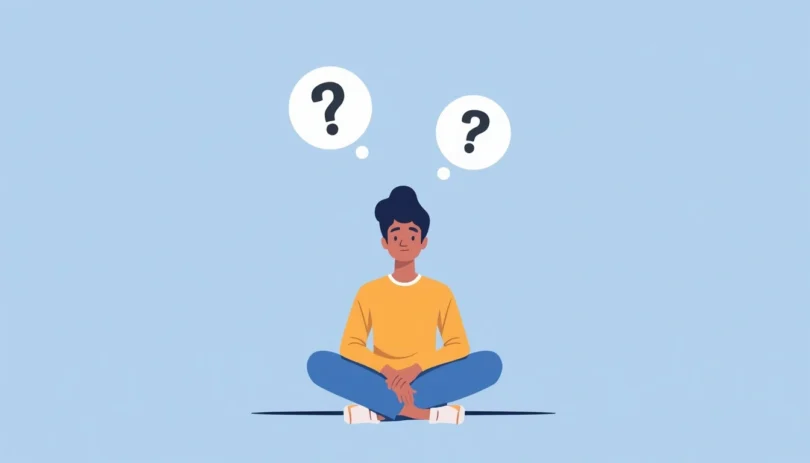
In today’s fast-paced world, many people struggle with stress, overthinking, emotional reactions, and difficult decisions. Developing a wise mindset can help you navigate these challenges with greater clarity, emotional balance, and confidence. A wise mindset is more than intelligence or knowledge—it is the ability to think carefully, manage emotions wisely, learn from experiences, and make thoughtful decisions in everyday life.
People with a wise mindset tend to handle problems calmly, communicate more effectively, and focus on long-term personal growth instead of temporary emotions. The good news is that wisdom is not something reserved for a few people. Anyone can learn how to develop a wise mindset through daily habits, self-awareness, emotional intelligence, and mindful thinking.
In this guide, you will discover what a wise mindset truly means, why it matters in daily life, and practical strategies to strengthen wise thinking. You will also learn how emotional intelligence, mindfulness, self-reflection, and healthy habits can help you become calmer, more resilient, and emotionally balanced in every area of life.
What Is a Wise Mindset?
A wise mindset is more than simply being intelligent or knowledgeable. It is the ability to think clearly, make balanced decisions, manage emotions effectively, and learn from life experiences. People with a wise mindset approach challenges with patience, self-awareness, and emotional control instead of reacting impulsively. They focus on growth, understanding, and long-term well-being rather than short-term emotions or quick rewards.
Developing a wise mindset helps people improve their relationships, decision-making, mental clarity, and overall quality of life. In today’s fast-paced world filled with distractions and stress, learning how to develop a wise mindset in everyday life can help you stay calm, focused, and emotionally strong.
Definition of a Wise Mindset
A wise mindset is a way of thinking that combines knowledge, emotional intelligence, self-awareness, and good judgment. It allows a person to make thoughtful choices while considering both logic and emotions. Instead of acting based on anger, fear, or pressure, someone with a wise mindset pauses, reflects, and responds carefully.
Having a wise mindset does not mean being perfect or always making the right decisions. It means being open to learning, accepting mistakes, and continuously growing from experiences. A person with a wise mindset understands that life is full of lessons and that personal growth happens through reflection and self-improvement.
A wise mindset also involves:
- Thinking before reacting
- Staying calm during difficult situations
- Learning from failures and setbacks
- Understanding different perspectives
- Making decisions with long-term benefits in mind
People who develop a wise mindset often become better problem-solvers, communicators, and leaders because they can handle situations with maturity and emotional balance.
Difference Between Wisdom and Intelligence
Many people confuse wisdom with intelligence, but they are not the same. Intelligence is usually connected to learning abilities, memory, logic, and problem-solving skills. Wisdom, on the other hand, is the ability to apply knowledge and experiences in a thoughtful and meaningful way.
An intelligent person may know many facts or solve complex problems quickly, but a wise person understands how to use knowledge responsibly in real-life situations. Wisdom includes emotional awareness, empathy, patience, and life experience.
For example, someone may be highly intelligent at work but struggle with relationships because they react emotionally or lack self-awareness. A person with a wise mindset combines intelligence with emotional control and practical understanding.
Here are some key differences between wisdom and intelligence:
| Intelligence | Wisdom |
|---|---|
| Focuses on knowledge and facts | Focuses on understanding and judgment |
| Solves technical problems | Handles life situations calmly |
| Often linked to IQ | Linked to emotional intelligence and experience |
| Can be learned through study | Develops through reflection and life lessons |
| May react quickly | Thinks carefully before responding |
The best personal growth happens when intelligence and wisdom work together. Developing a wise mindset helps transform knowledge into meaningful action.
Why a Wise Mindset Matters in Daily Life
A wise mindset plays an important role in everyday life because it affects the way people think, behave, communicate, and respond to challenges. Life constantly presents situations that require patience, emotional balance, and smart decision-making. Without a wise mindset, people often react impulsively, make emotional decisions, or create unnecessary stress.
When you develop a wise mindset, daily problems become easier to manage because you learn to respond calmly instead of reacting emotionally. You become more aware of your thoughts, actions, and habits, which improves both personal and professional relationships.
A wise mindset matters in daily life because it helps you:
- Make better decisions under pressure
- Stay emotionally balanced during stressful moments
- Improve communication and relationships
- Avoid unnecessary conflicts
- Think positively and realistically
- Build confidence and mental resilience
- Learn from mistakes instead of repeating them
For example, someone with a wise mindset may pause before responding during an argument, allowing them to communicate calmly and avoid making the situation worse. In financial decisions, wise thinking encourages long-term planning instead of impulsive spending.
Over time, practicing a wise mindset can lead to greater happiness, self-control, and inner peace.
Characteristics of People With a Wise Mindset
People with a wise mindset often share similar habits, attitudes, and ways of thinking. These qualities help them navigate life with greater clarity and emotional strength.
One important characteristic is self-awareness. Wise individuals understand their emotions, strengths, and weaknesses. They regularly reflect on their behavior and seek personal growth instead of blaming others.
Another key trait is emotional control. Rather than reacting impulsively, they remain calm and thoughtful during stressful situations. This helps them make balanced decisions and maintain healthier relationships.
People with a wise mindset are also open-minded. They are willing to listen to different opinions, learn from others, and accept that they do not know everything. This mindset encourages continuous learning and personal development.
Additional characteristics of a wise mindset include:
- Patience during difficult situations
- Strong listening skills
- Empathy and compassion toward others
- Ability to learn from failure
- Positive and realistic thinking
- Humility and willingness to improve
- Long-term thinking instead of short-term reactions
- Good judgment and decision-making skills
Developing these qualities takes time and consistent practice. However, small daily habits such as mindfulness, reflection, reading, and emotional awareness can gradually strengthen a wise mindset and improve every area of life.
Benefits of Developing a Wise Mindset
Developing a wise mindset can positively transform every area of life, from relationships and career choices to emotional well-being and personal growth. A wise mindset helps people think more clearly, respond calmly under pressure, and make thoughtful decisions instead of acting impulsively. It also encourages emotional balance, self-awareness, and long-term thinking.
In today’s fast-moving world, many people struggle with stress, distractions, and emotional overwhelm. Learning how to develop a wise mindset in everyday life provides the mental tools needed to handle these challenges with greater confidence and stability. Over time, wise thinking leads to healthier habits, stronger relationships, and a more peaceful state of mind.
Better Decision-Making Skills
One of the greatest benefits of developing a wise mindset is improved decision-making. People with a wise mindset take time to think carefully before making important choices. Instead of reacting emotionally or rushing into decisions, they analyze situations calmly and consider the possible consequences.
Wise decision-making involves balancing logic, emotions, and long-term goals. This helps people avoid unnecessary mistakes and make choices that support their well-being and future success.
For example, a person with a wise mindset may:
- Think carefully before making financial decisions
- Avoid impulsive reactions during conflicts
- Evaluate risks before taking action
- Focus on long-term benefits rather than short-term rewards
Better decision-making also reduces stress because thoughtful choices often lead to fewer regrets. As people practice wise thinking regularly, they become more confident in handling difficult situations and solving problems effectively.
Improved Emotional Intelligence
A wise mindset is closely connected to emotional intelligence, which is the ability to understand, manage, and express emotions in healthy ways. People who develop a wise mindset become more aware of their feelings and learn how to respond to emotions without losing control.
Improved emotional intelligence helps individuals:
- Stay calm during stressful situations
- Recognize emotional triggers
- Communicate more effectively
- Understand the emotions of others
- Build empathy and compassion
Instead of reacting with anger, frustration, or fear, people with a wise mindset pause and reflect before responding. This emotional awareness leads to healthier interactions and better conflict resolution.
For instance, when facing criticism, a wise person is more likely to listen calmly, learn from feedback, and avoid defensive reactions. Over time, emotional intelligence strengthens personal growth, mental resilience, and emotional stability.
Stronger Relationships and Communication
Developing a wise mindset can greatly improve relationships with family, friends, coworkers, and partners. Wise thinking encourages patience, empathy, active listening, and respectful communication, all of which are essential for healthy relationships.
People with a wise mindset understand that communication is not only about speaking but also about listening carefully and understanding different perspectives. They avoid unnecessary arguments and focus on solving problems calmly and respectfully.
A wise mindset strengthens relationships by helping people:
- Control emotional reactions during disagreements
- Practice empathy and understanding
- Communicate honestly and respectfully
- Build trust and emotional connection
- Avoid negative assumptions and misunderstandings
Healthy relationships often depend on emotional maturity and thoughtful communication. By developing a wise mindset, people become better at handling conflicts peacefully and maintaining supportive connections with others.
Greater Mental Clarity and Focus
A wise mindset helps reduce mental clutter and improves the ability to focus on what truly matters. Many people struggle with overthinking, distractions, and constant stress, which can affect productivity and emotional well-being. Wise thinking encourages calm reflection and intentional decision-making, leading to greater mental clarity.
When the mind is clear and focused, people can:
- Concentrate better on goals and priorities
- Think more rationally during stressful moments
- Reduce negative thought patterns
- Improve productivity and time management
- Feel more mentally organized and balanced
Practices such as mindfulness, journaling, meditation, and self-reflection can help strengthen mental clarity and support the development of a wise mindset. Over time, these habits make it easier to stay present and avoid emotional overwhelm.
Increased Resilience During Challenges
Life is full of setbacks, disappointments, and unexpected difficulties. A wise mindset helps people become more resilient by teaching them how to adapt, learn, and grow from challenges instead of giving up.
Resilience is the ability to recover from difficult experiences while maintaining emotional strength and hope. People with a wise mindset understand that failures and obstacles are part of personal growth. Instead of viewing challenges as permanent problems, they see them as opportunities to learn valuable lessons.
A wise mindset increases resilience by helping people:
- Stay calm under pressure
- Learn from mistakes and failures
- Maintain a positive perspective during hardships
- Adapt to change more easily
- Build emotional strength over time
For example, someone with a wise mindset may experience failure at work but choose to reflect on the experience, improve their skills, and continue moving forward instead of becoming discouraged.
Resilience developed through wise thinking creates long-term mental strength and emotional stability.
More Inner Peace and Self-Confidence
Another important benefit of developing a wise mindset is greater inner peace and self-confidence. Wise individuals are often less controlled by fear, comparison, or negative opinions because they develop a deeper understanding of themselves and their values.
A wise mindset encourages self-acceptance, emotional balance, and realistic thinking. Instead of constantly seeking approval from others, people learn to trust their judgment and focus on personal growth.
This mindset can lead to:
- Reduced anxiety and stress
- Greater emotional calmness
- Increased confidence in decision-making
- Less overthinking and self-doubt
- A stronger sense of purpose and direction
Inner peace comes from learning how to manage emotions, accept imperfections, and focus on what can be controlled. As wise thinking becomes part of daily life, people often feel more grounded, confident, and emotionally secure.
Ultimately, developing a wise mindset is not only about becoming smarter—it is about creating a healthier, calmer, and more meaningful way of living.
Signs You Need to Develop a Wise Mindset
Many people do not realize they need a wise mindset until stress, emotional struggles, or repeated mistakes begin affecting their daily lives. A wise mindset helps people think clearly, manage emotions, and make thoughtful decisions. Without it, life can feel overwhelming, confusing, and emotionally exhausting.
Recognizing the signs that you need to develop a wise mindset is an important step toward personal growth. These signs often appear in daily habits, emotional reactions, relationships, and decision-making patterns. The good news is that wisdom is not something people are simply born with. It can be developed through self-awareness, reflection, mindfulness, and consistent practice.
Below are some common signs that indicate it may be time to strengthen your wise mindset and improve the way you think, react, and respond to life’s challenges.
Constant Overthinking
One major sign that you need to develop a wise mindset is constant overthinking. Overthinking happens when the mind repeatedly analyzes situations, conversations, or decisions without reaching a clear conclusion. Instead of solving problems, overthinking often creates more stress, anxiety, and mental exhaustion.
People who overthink may:
- Replay past mistakes repeatedly
- Worry excessively about the future
- Analyze every small detail of conversations
- Struggle to relax mentally
- Fear making the wrong decision
Overthinking usually comes from fear, self-doubt, or lack of emotional clarity. A wise mindset helps reduce overthinking by encouraging calm reflection instead of endless mental loops. Wise thinkers learn to focus on facts, trust their judgment, and accept that not everything can be perfectly controlled.
Developing habits such as mindfulness, journaling, and self-reflection can help quiet mental noise and improve mental clarity. Over time, a wise mindset teaches people how to think constructively without becoming trapped in unnecessary worry.
Emotional Reactions Instead of Calm Responses
Another clear sign that you may need a wise mindset is reacting emotionally instead of responding calmly. Emotional reactions are often impulsive and driven by anger, frustration, fear, or stress. These reactions can damage relationships, increase conflict, and create regret later.
For example, someone may:
- Respond aggressively during disagreements
- Make impulsive decisions when upset
- Say hurtful things out of anger
- Panic during stressful situations
- Struggle to stay calm under pressure
A wise mindset helps people pause before reacting. Instead of allowing emotions to control behavior, wise individuals take time to process their feelings and respond thoughtfully. This emotional control improves communication, problem-solving, and decision-making.
Learning how to manage emotions does not mean ignoring feelings. It means understanding emotions without letting them control actions. Developing emotional intelligence and self-awareness is an important part of building a wise mindset in everyday life.
Difficulty Learning From Mistakes
Everyone makes mistakes, but repeating the same mistakes without learning from them can be a sign that a wise mindset needs development. Wisdom grows through reflection, accountability, and personal growth. People who avoid learning from their experiences often stay stuck in unhealthy habits or negative cycles.
Some common signs include:
- Blaming others for personal failures
- Repeating harmful behaviors
- Ignoring constructive feedback
- Avoiding responsibility
- Refusing to reflect on past decisions
A wise mindset encourages people to view mistakes as opportunities for growth rather than reasons for shame or frustration. Wise individuals ask themselves important questions such as:
- What can I learn from this experience?
- How can I improve next time?
- What role did my actions play in this situation?
This mindset shift helps transform failures into valuable life lessons. Over time, learning from mistakes builds maturity, resilience, and better judgment.
Negative Thinking Patterns
Persistent negative thinking is another strong indicator that you may need to develop a wise mindset. Negative thought patterns can affect emotional health, relationships, confidence, and overall quality of life. People trapped in negative thinking often focus on problems instead of solutions.
Examples of negative thinking patterns include:
- Expecting the worst in every situation
- Constant self-criticism
- Comparing yourself negatively to others
- Believing failure defines your worth
- Focusing only on problems and limitations
A wise mindset helps replace destructive thinking with balanced and realistic perspectives. Wise thinkers understand that challenges are temporary and that setbacks can become opportunities for growth.
Positive thinking does not mean ignoring reality or pretending problems do not exist. Instead, it means approaching difficulties with hope, resilience, and emotional balance. Developing gratitude, mindfulness, and self-awareness can gradually reduce negative thinking and create healthier mental habits.
Identifying Negative Automatic Thought Patterns
Struggling With Daily Decisions
Difficulty making everyday decisions can also signal a lack of wise thinking. Some people constantly doubt themselves, fear making mistakes, or become overwhelmed by simple choices. This can lead to stress, procrastination, and mental fatigue.
People struggling with decisions may:
- Seek constant reassurance from others
- Fear making the wrong choice
- Change decisions repeatedly
- Avoid important responsibilities
- Feel mentally exhausted by simple choices
A wise mindset improves decision-making by helping people think clearly, trust themselves, and focus on long-term outcomes instead of temporary emotions. Wise individuals understand that not every decision will be perfect, but thoughtful action is better than endless hesitation.
Developing self-confidence, emotional clarity, and problem-solving skills can make daily decisions feel less stressful and more manageable. Over time, practicing wise thinking helps people become more decisive, calm, and confident in everyday life.
Recognizing these signs is not a weakness. In fact, self-awareness is one of the first and most important steps toward developing a wise mindset. By becoming more mindful of your thoughts, emotions, and behaviors, you can begin creating healthier habits that lead to personal growth, emotional balance, and wiser decision-making every day.
Daily Habits That Help Build a Wise Mindset
Developing a wise mindset does not happen overnight. Wisdom is built through small daily habits that improve self-awareness, emotional balance, decision-making, and personal growth over time. The way people think, respond, and behave each day gradually shapes their mindset and overall quality of life.
Many individuals believe wisdom only comes with age, but true wisdom develops through intentional habits, reflection, and life experiences. By practicing positive daily routines, anyone can strengthen their wise mindset and improve how they handle challenges, relationships, and emotions.
The following habits can help you develop a wise mindset in everyday life and create long-term mental and emotional growth.
Practice Self-Reflection Every Day
Self-reflection is one of the most powerful habits for developing a wise mindset. It involves taking time to think about your thoughts, actions, emotions, and decisions. Self-reflection helps people understand themselves better and identify areas that need improvement.
Without reflection, people often repeat unhealthy habits or make the same mistakes without learning from them. Wise individuals regularly evaluate their experiences and ask themselves important questions such as:
- What did I learn today?
- Did I react wisely in difficult situations?
- How can I improve my behavior tomorrow?
- What emotions influenced my decisions?
Daily self-reflection encourages accountability, emotional intelligence, and personal growth. It also helps reduce impulsive behavior by creating greater awareness of thoughts and reactions.
Simple ways to practice self-reflection include:
- Spending a few quiet minutes alone each day
- Journaling thoughts and experiences
- Reviewing daily successes and mistakes
- Practicing honest self-evaluation
Over time, self-reflection strengthens self-awareness and helps build a calmer, wiser, and more intentional mindset.
Develop Mindfulness and Present-Moment Awareness
Mindfulness is the practice of focusing on the present moment without judgment. It plays a major role in building a wise mindset because it helps people become more aware of their thoughts, emotions, and surroundings.
Many people spend too much time worrying about the future or replaying past mistakes. This creates stress, anxiety, and mental exhaustion. Mindfulness helps quiet the mind and improve emotional balance by teaching people to stay present.
Benefits of mindfulness for a wise mindset include:
- Better emotional control
- Reduced overthinking
- Improved focus and concentration
- Greater mental clarity
- Calmer responses during stressful situations
Simple mindfulness habits may include:
- Deep breathing exercises
- Meditation
- Mindful walking
- Paying attention during conversations
- Taking breaks from distractions and social media
When people practice mindfulness consistently, they become less reactive and more thoughtful in daily life. This emotional awareness supports wiser thinking and healthier decision-making.
Read Books That Expand Your Thinking
Reading is another valuable habit for developing a wise mindset. Books expose people to new ideas, perspectives, experiences, and life lessons that can improve understanding and personal growth.
Wise individuals often seek knowledge not only to become smarter but also to become more thoughtful and open-minded. Reading helps expand critical thinking skills and encourages deeper reflection about life, relationships, emotions, and success.
Books related to:
- Personal growth
- Psychology
- Emotional intelligence
- Mindfulness
- Philosophy
- Leadership
- Communication
can all help strengthen a wise mindset.
Reading regularly also improves patience, focus, and mental discipline. Instead of relying only on personal experiences, books allow people to learn from the wisdom and mistakes of others.
Even reading a few pages each day can gradually change the way people think and approach challenges in everyday life.
Learn to Listen More Than You Speak
One important characteristic of wise people is their ability to listen carefully. Many people focus more on responding than truly understanding others. A wise mindset encourages active listening, empathy, and thoughtful communication.
Listening more than speaking helps people:
- Learn from different perspectives
- Avoid misunderstandings
- Build stronger relationships
- Improve emotional intelligence
- Respond more thoughtfully
Wise individuals understand that every conversation can teach something valuable. Instead of interrupting or reacting emotionally, they remain patient and attentive.
Good listening habits include:
- Maintaining eye contact
- Avoiding interruptions
- Asking thoughtful questions
- Paying attention to emotions and tone
- Remaining open-minded during discussions
By becoming better listeners, people improve communication skills and develop deeper understanding, which are essential parts of a wise mindset.
Spend Time With Wise and Positive People
The people you spend time with greatly influence your mindset, habits, and emotional well-being. Surrounding yourself with wise, supportive, and positive individuals can encourage healthier thinking patterns and personal growth.
Negative environments often increase stress, self-doubt, and unhealthy behaviors. In contrast, wise and positive people inspire motivation, emotional balance, and constructive thinking.
Benefits of spending time with wise people include:
- Learning from their experiences
- Receiving valuable advice and guidance
- Developing healthier habits
- Improving confidence and emotional stability
- Encouraging personal growth
Wise individuals often choose relationships that support peace, learning, and mutual respect. They avoid unnecessary drama, negativity, and toxic influences that harm mental well-being.
Building a wise mindset becomes easier when you are surrounded by people who encourage growth, accountability, and emotional maturity.
Keep a Personal Growth Journal
Journaling is a powerful tool for self-awareness and wise thinking. A personal growth journal allows people to organize thoughts, reflect on experiences, track progress, and understand emotional patterns more clearly.
Writing regularly can help:
- Reduce stress and mental clutter
- Improve emotional clarity
- Identify negative thought patterns
- Track goals and personal growth
- Reflect on daily lessons
A journal does not need to be perfect or complicated. Simple daily entries about thoughts, emotions, challenges, and achievements can provide valuable insights over time.
Some helpful journaling prompts include:
- What did I learn today?
- What situation challenged me emotionally?
- What am I grateful for today?
- How did I respond to stress?
- What can I improve tomorrow?
Keeping a journal encourages deeper reflection and helps people become more intentional about their thoughts and actions.
Practice Gratitude and Humility
Gratitude and humility are essential qualities of a wise mindset. Gratitude helps people focus on the positive aspects of life instead of constantly dwelling on problems or limitations. Humility keeps individuals open to learning and personal improvement.
People who practice gratitude often experience:
- Greater happiness and emotional balance
- Reduced stress and negativity
- Better relationships
- Increased appreciation for life
Simple gratitude habits may include:
- Writing down daily blessings
- Appreciating small moments
- Thanking others sincerely
- Focusing on progress rather than perfection
Humility is equally important because wise individuals understand they do not know everything. They remain open to feedback, learning, and growth instead of acting arrogantly or defensively.
Together, gratitude and humility create emotional balance, inner peace, and healthier relationships.
Learn From Everyday Experiences
Wisdom is often developed through everyday experiences rather than major life events alone. A wise mindset allows people to find lessons in both successes and failures.
Every conversation, challenge, mistake, and achievement can teach something valuable. Wise individuals pay attention to these lessons and use them to improve themselves continuously.
Learning from everyday experiences helps people:
- Develop emotional maturity
- Improve problem-solving skills
- Gain perspective and understanding
- Build resilience and adaptability
- Make better future decisions
Instead of ignoring difficulties or blaming others, wise thinkers reflect on experiences and ask:
- What can this situation teach me?
- How can I grow from this challenge?
- What would I do differently next time?
Life becomes one of the greatest teachers when people approach each day with curiosity, reflection, and a willingness to learn. Over time, these small lessons help build a stronger, calmer, and wiser mindset.
How Emotional Intelligence Supports a Wise Mindset
Emotional intelligence plays a major role in developing a wise mindset. While knowledge and logic are important, true wisdom also requires emotional awareness, self-control, empathy, and healthy communication. People with high emotional intelligence are often better at handling stress, managing relationships, and making thoughtful decisions in difficult situations.
A wise mindset is not only about thinking intelligently but also about understanding emotions and responding calmly instead of reacting impulsively. Emotional intelligence helps people become more aware of their feelings, recognize emotional triggers, and communicate more effectively with others.
When emotional intelligence and wise thinking work together, people develop stronger self-awareness, healthier relationships, and greater emotional balance. This combination improves decision-making and helps individuals navigate life’s challenges with patience, maturity, and understanding.
Understanding Your Emotions
The first step toward building emotional intelligence and a wise mindset is learning how to understand your emotions. Many people experience emotions without fully recognizing why they feel a certain way. This lack of awareness can lead to impulsive decisions, misunderstandings, and emotional stress.
People with a wise mindset take time to identify and understand their emotional responses. Instead of ignoring emotions or reacting immediately, they reflect on what they are feeling and why those feelings exist.
Understanding emotions helps people:
- Recognize emotional triggers
- Respond thoughtfully instead of impulsively
- Improve self-control
- Build stronger self-awareness
- Make more balanced decisions
For example, someone who feels angry during a disagreement may pause and realize that frustration or fear is influencing their reaction. This awareness creates space to respond calmly instead of saying something harmful in the heat of the moment.
Practicing self-reflection, mindfulness, and journaling can help improve emotional awareness. Over time, understanding emotions becomes easier, allowing people to develop greater emotional maturity and wiser thinking patterns.
Managing Stress and Negative Reactions
Stress is a normal part of life, but emotional intelligence helps people manage stress in healthier and more productive ways. Without emotional control, stress often leads to impulsive behavior, negative thinking, frustration, or emotional outbursts.
A wise mindset supports calm and thoughtful responses during difficult situations. Emotionally intelligent individuals understand that while they cannot always control circumstances, they can control how they react.
Managing stress effectively can help people:
- Stay calm under pressure
- Avoid emotional overreactions
- Think clearly during challenges
- Reduce anxiety and mental exhaustion
- Improve problem-solving abilities
For instance, instead of panicking during a stressful situation at work, someone with a wise mindset may pause, breathe deeply, evaluate the problem, and focus on practical solutions.
Healthy habits that support emotional control and stress management include:
- Deep breathing exercises
- Meditation and mindfulness
- Physical activity and exercise
- Taking breaks when overwhelmed
- Practicing positive self-talk
- Maintaining healthy routines
Emotional intelligence teaches people how to process negative emotions without allowing those emotions to control their actions. This emotional balance is a key part of developing a wise mindset in everyday life.
Improving Empathy and Compassion
Empathy and compassion are essential qualities of both emotional intelligence and wise thinking. Empathy is the ability to understand and share the feelings of others, while compassion involves responding with kindness, patience, and care.
People with a wise mindset recognize that everyone experiences struggles, emotions, and personal challenges. Instead of judging others quickly, they try to understand different perspectives and respond thoughtfully.
Improving empathy and compassion can:
- Strengthen relationships
- Reduce unnecessary conflicts
- Improve communication
- Build trust and emotional connection
- Encourage patience and understanding
For example, during a disagreement, an emotionally intelligent person may try to understand why the other person feels upset instead of focusing only on winning the argument. This approach often leads to healthier conversations and better solutions.
Ways to develop empathy and compassion include:
- Listening carefully without interrupting
- Being open-minded toward different opinions
- Practicing kindness in daily interactions
- Paying attention to others’ emotions
- Avoiding quick judgments or assumptions
A wise mindset understands that emotional connection and understanding are important parts of healthy relationships and personal growth.
Building Better Communication Skills
Strong communication skills are another important benefit of emotional intelligence. Wise individuals understand that communication is not only about speaking clearly but also about listening, understanding emotions, and responding respectfully.
Poor communication often leads to misunderstandings, conflict, and emotional tension. Emotional intelligence helps people communicate calmly and thoughtfully, even during stressful situations.
People with a wise mindset tend to:
- Speak respectfully during disagreements
- Listen actively to others
- Avoid impulsive emotional reactions
- Express feelings clearly and honestly
- Remain calm during difficult conversations
Good communication also requires emotional awareness. Understanding your own emotions helps you express yourself more clearly, while empathy allows you to better understand the emotions of others.
For example, instead of reacting aggressively during criticism, a wise person may listen carefully, reflect on the feedback, and respond calmly. This creates healthier conversations and reduces unnecessary conflict.
Practical ways to improve communication skills include:
- Practicing active listening
- Maintaining eye contact during conversations
- Thinking before speaking
- Using calm and respectful language
- Avoiding defensive reactions
- Asking questions for better understanding
Developing strong communication skills through emotional intelligence helps people build healthier relationships, improve teamwork, and handle challenges more effectively.
Ultimately, emotional intelligence is one of the foundations of a wise mindset. It helps people understand themselves, manage emotions wisely, connect with others more deeply, and communicate with patience and maturity. By strengthening emotional intelligence daily, individuals can create a calmer, more thoughtful, and emotionally balanced life.
Developing a wise mindset is a lifelong journey that can positively transform the way you think, feel, and respond to life’s challenges. By improving self-awareness, emotional intelligence, mindfulness, and decision-making skills, you can build a mindset that supports personal growth, emotional balance, and long-term happiness.
A wise mindset does not mean being perfect or always making the right decisions. Instead, it means learning from experiences, staying calm under pressure, thinking before reacting, and continuously working toward becoming a better version of yourself. Small daily habits such as self-reflection, gratitude, mindful living, and surrounding yourself with positive influences can gradually strengthen wise thinking over time.
As you continue practicing these habits, you may notice greater mental clarity, healthier relationships, stronger resilience, and more inner peace in your everyday life. Remember that wisdom grows through patience, learning, and consistent effort. Every thoughtful decision and moment of self-awareness brings you one step closer to developing a truly wise mindset.
Read also: Emotion Mind vs. Wise Mind: Which One is Driving Your Decisions?






Leave a Comment