
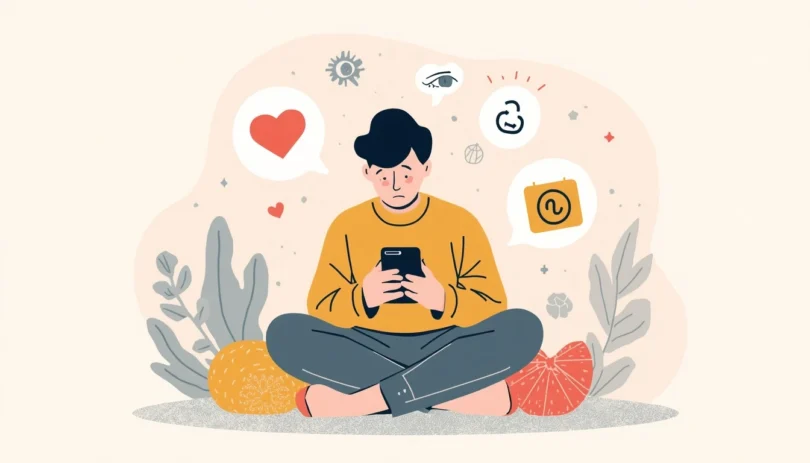
In today’s world, it has become easier than ever to compare yourself to others. Social media, competition, and unrealistic expectations constantly pressure people to measure their success, appearance, relationships, and achievements against those around them. Unfortunately, this habit can damage confidence, increase anxiety, and make it difficult to appreciate your own progress.
Learning how to stop comparing yourself to others is one of the most important steps toward building healthier self-esteem, improving mental health, and finding genuine happiness. Constant comparison often creates feelings of insecurity and self-doubt, especially when people focus only on what others seem to have instead of recognizing their own strengths and accomplishments.
The good news is that comparison is a habit that can be changed. By developing healthy daily routines, practicing self-awareness, and focusing on personal growth, you can stop comparing yourself and create a more peaceful and confident mindset.
In this guide, you will discover the psychology behind comparison, the negative effects it has on mental well-being, and 10 healthy habits to stop comparing yourself to others. You will also learn practical strategies to improve self-confidence, reduce social media comparison, and focus more on your own journey instead of constantly competing with others.
Why People Compare Themselves to Others
Comparing yourself to others is a natural human behavior. Almost everyone does it at some point in life. People often compare their appearance, success, relationships, income, lifestyle, or achievements with those around them. While comparison can sometimes motivate personal growth, excessive comparison can damage confidence, happiness, and mental well-being.
Understanding why people compare themselves to others is the first step toward breaking free from the comparison trap. Once you recognize the psychological and environmental reasons behind this habit, it becomes easier to develop healthier thinking patterns and stop comparing yourself constantly.
Understanding the Psychology of Comparison
Human beings naturally observe others to evaluate their own progress and position in life. From an early age, people learn by watching family members, friends, classmates, and coworkers. This instinct helps individuals understand social expectations and measure personal development.
However, problems begin when comparison becomes excessive or negative. Constantly focusing on other people’s achievements can create feelings of insecurity, jealousy, frustration, and low self-esteem. Instead of appreciating personal growth, many people only notice what they lack compared to others.
In psychology, comparison often happens in two ways:
- Upward comparison — comparing yourself to people who seem more successful, attractive, or accomplished.
- Downward comparison — comparing yourself to people who appear less successful to feel better temporarily.
While upward comparison can sometimes inspire motivation, it frequently leads to self-doubt and unrealistic expectations. This is one reason many people struggle to stop comparing themselves to others in everyday life.
The Role of Social Comparison Theory
The idea behind comparison behavior was explained by Leon Festinger in 1954. According to Social Comparison Theory, people evaluate themselves by comparing their abilities, achievements, and qualities with others.
This theory explains why individuals constantly seek reassurance about their success, attractiveness, intelligence, or social status. People often compare themselves because they want to understand whether they are doing “well enough” in society.
Although this behavior is normal, it can become unhealthy when self-worth depends entirely on external comparisons. For example, someone may feel successful until they see another person achieving more on social media or in real life. This endless cycle can make happiness feel temporary and unstable.
Understanding Social Comparison Theory helps people recognize that comparison is deeply connected to human psychology, not personal weakness. Learning this can help reduce self-judgment and encourage healthier habits focused on self-improvement rather than competition.
How Childhood and Environment Influence Comparison Habits
Many comparison habits begin during childhood. Children are often compared to siblings, classmates, or friends by parents, teachers, or society. Statements like “Why can’t you be more like them?” or “Look how successful they are” can shape a person’s mindset for years.
Growing up in highly competitive environments may increase the tendency to compare constantly. Academic pressure, beauty standards, financial expectations, and social approval all contribute to this behavior.
Environmental factors also play a major role in adulthood. People surrounded by competitive workplaces, toxic relationships, or unrealistic social expectations may struggle more with negative self-comparison.
Additionally, cultural influences can increase pressure to appear successful, wealthy, attractive, or perfect. Over time, individuals may begin measuring their value based on external validation instead of personal happiness and growth.
Recognizing these influences is important because it helps people understand that many comparison habits are learned behaviors that can be changed with healthier thinking patterns and self-awareness.
Why Social Media Makes Comparison Worse
Social media has become one of the biggest reasons people struggle to stop comparing themselves to others. Platforms like Instagram, TikTok, and Facebook constantly expose users to carefully edited highlights of other people’s lives.
Most people only share their best moments online:
- achievements
- vacations
- luxury lifestyles
- fitness progress
- relationships
- beauty filters
- career success
As a result, users often compare their real everyday struggles to someone else’s polished online image. This creates unrealistic expectations and can make ordinary life feel disappointing or inadequate.
Social media also encourages validation through likes, comments, and followers. Many people begin linking their self-worth to online attention, which increases anxiety and insecurity.
Another problem is the endless exposure to comparison triggers. Unlike real-life interactions, social media provides constant access to thousands of people who appear more successful or attractive. This can overload the mind with negative comparisons throughout the day.
Reducing screen time, unfollowing toxic accounts, and practicing mindfulness can help create a healthier relationship with social media. By focusing more on personal goals and less on online appearances, individuals can gradually stop comparing themselves and improve their mental well-being.
The Negative Effects of Constant Comparison
Constantly comparing yourself to others may seem harmless at first, but over time it can seriously affect your emotional well-being, confidence, and overall quality of life. When people continuously focus on what others have achieved, they often overlook their own progress, strengths, and personal value.
The habit of comparison can slowly create negative thought patterns that lead to stress, insecurity, and emotional exhaustion. Instead of feeling motivated, many people end up feeling discouraged and trapped in a cycle of self-doubt. Learning about the negative effects of comparison can help you recognize unhealthy behaviors and take steps to stop comparing yourself to others more effectively.
How Comparison Damages Self-Esteem
One of the biggest dangers of constant comparison is the damage it causes to self-esteem. When people regularly measure themselves against others, they often focus only on their weaknesses instead of their strengths.
For example, someone may compare:
- their appearance
- income
- career progress
- relationships
- lifestyle
- achievements
to people who seem more successful or happier. Over time, this habit creates the belief that they are not valuable or accomplished enough.
The problem is that comparisons are usually unfair. People tend to compare their behind-the-scenes struggles to someone else’s best moments. This distorted perspective can make even successful individuals feel inadequate.
Low self-esteem caused by comparison may lead to:
- lack of confidence
- fear of failure
- negative self-talk
- difficulty appreciating personal achievements
- dependence on external validation
Instead of recognizing personal growth, individuals become obsessed with keeping up with others. This is why learning to stop comparing yourself is essential for building healthier self-worth and emotional balance.
The Link Between Comparison and Anxiety
Constant comparison is strongly connected to stress and anxiety. When people feel pressure to match the success, beauty, or lifestyle of others, they may develop chronic worry about not being “good enough.”
Social comparison often creates unrealistic expectations. Many individuals believe they must always achieve more, look better, earn more money, or gain more approval to feel accepted. This endless pressure can become mentally exhausting.
Comparison-related anxiety may include:
- overthinking
- fear of judgment
- social anxiety
- perfectionism
- stress about the future
- fear of missing out (FOMO)
Social media has intensified this problem because people are constantly exposed to carefully curated online lives. Seeing endless images of success and perfection can trigger feelings of inadequacy and emotional stress.
Over time, anxiety caused by comparison can affect sleep, productivity, relationships, and physical health. Instead of enjoying life, people become trapped in constant mental competition with others.
Practicing Mindfulness, limiting social media exposure, and focusing on personal goals can help reduce anxiety linked to self-comparison.
Feeling Insecure and Never “Good Enough”
Another harmful effect of comparison is the constant feeling of insecurity. No matter how much progress a person makes, comparison convinces them that someone else is always doing better.
This mindset creates a dangerous cycle:
- achieve something
- compare it to someone else
- feel inadequate
- lose confidence
- seek more validation
- compare again
As a result, many people never feel satisfied with their accomplishments. They may constantly chase perfection while ignoring their own growth and achievements.
Feelings of insecurity often increase when individuals base their identity on external success instead of internal values. Comparing yourself too much can make you believe that your worth depends on:
- appearance
- popularity
- money
- career status
- relationships
- social approval
This mentality can destroy self-confidence and make happiness feel impossible to reach.
Developing a Growth Mindset helps shift attention away from competition and toward self-improvement. Instead of trying to be better than others, people learn to focus on becoming better versions of themselves.
How Comparison Affects Mental Health and Happiness
Excessive comparison can negatively impact overall mental health and emotional happiness. When individuals constantly focus on what they lack, they may struggle to appreciate the positive aspects of their own lives.
Research in Psychology shows that unhealthy comparison is associated with:
- depression
- anxiety
- stress
- loneliness
- low self-worth
- emotional burnout
People who compare themselves too often may also experience reduced motivation and hopelessness. Instead of feeling inspired by others, they may feel defeated before even trying to pursue their goals.
Comparison can also damage relationships. Jealousy, resentment, and insecurity may create emotional distance between friends, family members, or romantic partners.
Most importantly, constant comparison steals joy from everyday life. It becomes difficult to feel grateful or content when attention is always focused on what other people seem to have.
True happiness grows when individuals stop comparing themselves to others and begin appreciating their own journey. Building healthy habits such as gratitude, self-awareness, mindfulness, and self-compassion can improve emotional well-being and create a more positive mindset over time. ( 10 Powerful Ways to Build a Positive Mental Attitude Every Day )
Signs You Compare Yourself to Others Too Much
Many people compare themselves to others without even realizing how often they do it. While occasional comparison is normal, excessive comparison can slowly become a harmful habit that affects confidence, emotional health, and overall happiness.
When comparison becomes constant, it changes the way people see themselves and the world around them. Instead of focusing on personal growth and achievements, they become overly focused on what others are doing, achieving, or possessing.
Recognizing the warning signs of unhealthy comparison is an important step toward learning how to stop comparing yourself to others and develop a healthier mindset.
Constantly Seeking Validation
One major sign of excessive comparison is constantly seeking validation from other people. Individuals who compare themselves too much often rely on external approval to feel valuable or successful.
They may frequently look for:
- compliments
- praise
- likes and comments on social media
- reassurance from friends or family
- recognition at work or school
Without this validation, they may feel insecure or unworthy. Their self-esteem becomes dependent on how others react to them rather than how they truly feel about themselves.
This behavior often develops because comparison creates the belief that personal worth must be measured against other people’s opinions or achievements. Instead of trusting their own progress, individuals constantly look for confirmation that they are “good enough.”
Over time, seeking constant validation can become emotionally exhausting. No amount of praise ever feels fully satisfying because comparison keeps moving the standard higher.
Building healthier Self-Esteem involves learning to appreciate yourself without needing continuous approval from others. Developing self-awareness and self-confidence can help reduce the need for external validation.
Feeling Jealous of Other People’s Success
Another common sign of unhealthy comparison is feeling jealous when others succeed. Instead of feeling inspired or happy for someone else, comparison may trigger frustration, insecurity, or resentment.
For example, people may feel upset when they see others:
- getting promoted
- buying a house
- improving their appearance
- achieving financial success
- gaining popularity online
- entering happy relationships
Jealousy often appears when individuals believe someone else’s success highlights their own failures. Instead of viewing life as a personal journey, they begin treating success like a competition.
This mindset can create emotional stress and make relationships more difficult. Constant jealousy may lead to bitterness, low confidence, and reduced motivation.
It is important to remember that another person’s success does not reduce your own value or potential. Everyone moves through life at a different pace and faces different circumstances.
Practicing gratitude and developing a Growth Mindset can help shift attention away from jealousy and toward personal progress. Focusing on self-improvement instead of competition creates a healthier and more positive mindset.
( How do I stop feeling jealous of other people’s achievements? )
Obsessing Over Social Media Posts
Social media has made comparison easier and more constant than ever before. One clear sign that you compare yourself too much is becoming obsessed with other people’s posts, lifestyles, and online appearances.
Many individuals spend hours:
- checking profiles
- comparing physical appearance
- analyzing other people’s relationships
- monitoring achievements
- counting likes and followers
- watching influencers’ lifestyles
This behavior can quickly become unhealthy because social media rarely reflects reality. Most people only post their best moments, edited photos, and major achievements while hiding struggles, failures, and insecurities.
Comparing your everyday life to someone else’s carefully curated online image creates unrealistic expectations and unnecessary pressure.
Obsessing over social media comparison may also lead to:
- anxiety
- low self-confidence
- negative self-talk
- fear of missing out (FOMO)
- emotional exhaustion
Reducing time spent on social media and following more positive, realistic content can help improve emotional well-being. Practicing Mindfulness can also help people stay focused on the present instead of constantly comparing themselves online.
Ignoring Your Own Achievements
People who compare themselves excessively often struggle to recognize their own accomplishments. Even after achieving important goals, they may immediately compare themselves to someone who appears more successful.
For example, a person may:
- earn a promotion but focus on someone making more money
- improve their fitness but compare themselves to influencers
- achieve personal goals but still feel behind in life
This habit prevents individuals from feeling proud of their progress. Instead of celebrating achievements, they constantly move the focus toward what they still lack.
Ignoring personal success can damage motivation and happiness over time. It creates the false belief that nothing is ever enough.
Learning to acknowledge small wins and personal growth is essential for emotional balance. Everyone’s journey is different, and success should not be measured only by comparison with others.
Keeping a gratitude journal, reflecting on progress, and setting personal goals can help individuals appreciate their own achievements more fully. The more people focus on their own path, the easier it becomes to stop comparing themselves to others and build lasting confidence.
10 Healthy Habits to Stop Comparing Yourself to Others
Learning how to stop comparing yourself to others takes time, patience, and consistent effort. Comparison often becomes a daily habit, especially in a world filled with social media, competition, and unrealistic expectations. The good news is that healthy routines and mindset shifts can help break this cycle and improve emotional well-being.
By practicing positive habits every day, you can build stronger confidence, improve mental health, and focus more on your personal growth instead of measuring your life against others.
1 Practice Daily Gratitude
Gratitude is one of the most powerful ways to stop comparing yourself to others. When you focus on what you already have, your mind spends less time thinking about what other people possess or achieve.
Many people fall into the comparison trap because they constantly focus on what is missing in their lives. Gratitude helps shift attention toward the positive aspects of your own journey.
Simple gratitude habits include:
- writing down three things you appreciate daily
- reflecting on personal achievements
- appreciating supportive relationships
- recognizing small moments of happiness
Practicing gratitude regularly can improve happiness, reduce negative thinking, and strengthen Self-Esteem over time.
2 Limit Social Media Consumption
Social media is one of the biggest triggers for unhealthy comparison. Platforms are filled with carefully edited photos, achievements, luxury lifestyles, and unrealistic standards that can make people feel inadequate.
Reducing social media usage can help protect your mental health and reduce constant comparison.
Healthy social media habits include:
- unfollowing accounts that trigger insecurity
- limiting screen time
- taking regular digital detox breaks
- following motivational and educational content
- avoiding endless scrolling before bed
Remember that social media usually shows highlights, not reality. Most people do not share their struggles, failures, or difficult moments online.
Creating healthier online boundaries allows you to focus more on your real life and personal growth instead of comparing yourself constantly.
3 Focus on Personal Growth Instead of Competition
One of the healthiest mindset shifts is learning to compete only with yourself. Instead of measuring your progress against others, focus on becoming a better version of yourself every day.
Personal growth looks different for everyone because people have unique experiences, opportunities, and challenges. Constant comparison ignores these differences and creates unfair expectations.
You can focus on personal growth by:
- setting realistic goals
- tracking your own progress
- learning new skills
- celebrating improvements
- developing healthy routines
Adopting a Growth Mindset helps people view success as a journey of continuous improvement rather than competition with others.
Why a Growth Mindset Beats a Fixed Mindset Every Time
4 Build a Positive Self-Talk Routine
The way you speak to yourself has a major impact on your confidence and emotional well-being. Negative self-talk often becomes stronger when comparison habits increase.
Thoughts like:
- “I’m not successful enough”
- “I’ll never be as good as them”
- “Everyone else is ahead of me”
can damage motivation and self-worth over time.
Replacing negative thoughts with positive and realistic self-talk can help improve confidence and reduce insecurity.
Healthy self-talk habits include:
- using positive affirmations
- challenging negative thoughts
- speaking to yourself with kindness
- focusing on progress instead of perfection
Over time, positive self-talk creates a healthier internal mindset and makes it easier to stop comparing yourself to others.
5 Celebrate Small Wins
Many people overlook their own achievements because they focus too much on what others are accomplishing. Celebrating small wins helps build confidence and encourages a healthier perspective on success.
Every step forward matters, even if it seems small.
Examples of small wins include:
- completing a personal goal
- improving a skill
- building healthier habits
- overcoming fear or anxiety
- staying consistent with self-care
Recognizing progress helps train the mind to appreciate personal achievements instead of constantly searching for external validation.
6 Practice Mindfulness
Mindfulness helps people stay present instead of constantly worrying about how they compare to others. When the mind is focused on the present moment, there is less room for negative comparison and overthinking.
Mindfulness practices may include:
- meditation
- deep breathing exercises
- journaling
- mindful walking
- reducing distractions
These habits can lower stress, improve emotional awareness, and create a greater sense of inner peace.
Mindfulness also helps individuals recognize comparison triggers and respond to them in healthier ways.
7 Surround Yourself With Positive People
The people around you can strongly influence your mindset and emotional health. Supportive relationships encourage growth, confidence, and self-acceptance, while toxic environments often increase insecurity and comparison.
Positive people:
- encourage your goals
- celebrate your success
- inspire healthy growth
- provide emotional support
- reduce negativity
Spending time with uplifting individuals can help you focus more on your own journey rather than constantly competing with others.
8 Develop a Healthy Sense of Self-Worth
Many people compare themselves because they tie their value to external success, appearance, or social approval. Developing self-worth means understanding that your value does not depend on being better than someone else.
Healthy self-worth grows when individuals:
- accept imperfections
- recognize personal strengths
- stop seeking constant approval
- respect their own journey
- practice self-compassion
Strong self-worth creates emotional stability and makes outside comparisons less powerful.
9 Focus on Your Strengths and Talents
Everyone has unique abilities, strengths, and experiences. Constant comparison often causes people to ignore what makes them special.
Instead of focusing on areas where others seem better, spend more time developing your own talents and interests.
This may include:
- creative skills
- communication abilities
- problem-solving strengths
- emotional intelligence
- leadership qualities
Focusing on personal strengths improves confidence and helps individuals feel more fulfilled in their own lives.
10 Practice Self-Compassion
Nobody is perfect, and comparing yourself to others often creates unrealistic expectations. Self-compassion means treating yourself with kindness during difficult moments instead of using harsh self-criticism.
People who practice self-compassion are more likely to:
- recover from setbacks
- maintain emotional balance
- reduce anxiety
- improve mental health
- develop healthier confidence
Learning to forgive mistakes and accept imperfections helps reduce the pressure created by constant comparison.
True confidence grows when people stop trying to prove their worth through comparison and begin accepting themselves as they are.
The Benefits to Stop comparing yourself
Learning to stop comparing yourself to others can completely transform your mindset, emotional well-being, and overall quality of life. Constant comparison often creates stress, insecurity, and dissatisfaction, while choosing to stop comparing yourself allows you to focus on personal growth, happiness, and self-acceptance.
When people stop comparing themselves to others, they begin to appreciate their own journey instead of constantly measuring their worth against someone else’s success. Over time, this mindset shift can improve confidence, mental health, productivity, and emotional peace.
The benefits of learning how to stop comparing yourself go far beyond temporary happiness. It creates healthier habits, stronger self-worth, and a more fulfilling life.
Better Mental Health
One of the biggest benefits of learning to stop comparing yourself is improved mental health. Constant comparison can create anxiety, stress, overthinking, and feelings of inadequacy. Many people who constantly compare themselves to others experience emotional exhaustion because they feel pressured to keep up with unrealistic standards.
When you stop comparing yourself, your mind becomes calmer and healthier. Instead of focusing on what other people have, you begin focusing on your own progress and emotional well-being.
People who stop comparing themselves often experience:
- lower stress levels
- reduced anxiety
- less negative thinking
- improved emotional balance
- better self-awareness
- healthier daily habits
Constantly comparing yourself to others can also increase feelings of sadness and frustration, especially when social media creates unrealistic expectations. By choosing to stop comparing yourself, you protect your emotional energy and create more space for gratitude and positivity.
Practicing Mindfulness and self-awareness can make it easier to stop comparing yourself and improve long-term mental wellness.
Increased Confidence and Self-Worth
Another major benefit of learning how to stop comparing yourself is increased confidence and stronger Self-Esteem. Comparison often damages confidence because people focus only on what others seem to do better.
When individuals constantly compare themselves to others, they may feel:
- not attractive enough
- not successful enough
- not talented enough
- not wealthy enough
- not accomplished enough
This negative mindset slowly weakens self-confidence and creates dependence on outside validation.
However, when you stop comparing yourself, you begin recognizing your own strengths, talents, and progress. You understand that your worth is not determined by someone else’s achievements.
People who stop comparing themselves often:
- feel more confident
- appreciate their uniqueness
- trust their abilities
- develop healthier self-talk
- focus on personal growth instead of competition
Learning to stop comparing yourself helps build a healthier relationship with yourself. Instead of constantly seeking approval, you become more comfortable with who you are and where you are in life.
Greater Inner Peace and Happiness
Constant comparison steals peace and happiness because it keeps attention focused on what is missing instead of what is already meaningful in life.
Many people believe happiness comes from being more successful, attractive, or accomplished than others. But comparison creates an endless cycle where nothing ever feels good enough.
When you stop comparing yourself, you begin to experience:
- more emotional peace
- greater gratitude
- improved life satisfaction
- healthier relationships
- more positive thinking
Instead of feeling jealous or insecure, you become more present and appreciative of your own journey.
Learning to stop comparing yourself also helps reduce emotional pressure. You no longer feel the need to constantly compete, prove yourself, or meet unrealistic expectations created by society or social media.
This emotional freedom creates a stronger sense of happiness and personal fulfillment. Many people discover that true happiness grows when they stop comparing themselves and start focusing on living authentically.
Developing a Growth Mindset can also help individuals stop comparing themselves by focusing on learning and self-improvement rather than perfection.
Stronger Focus on Personal Goals
One hidden benefit of learning to stop comparing yourself is improved focus and productivity. Constant comparison wastes mental energy because people become distracted by other people’s lives, achievements, and opinions.
When you constantly compare yourself to others, it becomes difficult to stay focused on your own goals and priorities. Many individuals lose motivation because they feel discouraged by someone else’s success.
However, when you stop comparing yourself, your attention shifts back to your personal growth and future goals.
People who stop comparing themselves often:
- become more productive
- set healthier goals
- stay motivated longer
- make clearer decisions
- focus on self-improvement
- build better habits
Instead of chasing someone else’s version of success, they create goals based on their own values, passions, and dreams.
Learning how to stop comparing yourself allows you to fully invest your time and energy into becoming the best version of yourself. Over time, this creates stronger confidence, greater emotional stability, and a more meaningful sense of success.
FAQs About How to Stop Comparing Yourself to Others
Many people struggle with comparison every day, especially in a world filled with social media, competition, and unrealistic expectations. Learning how to stop comparing yourself to others can improve confidence, emotional well-being, and overall happiness.
Below are some of the most common questions people ask about how to stop comparing yourself and build a healthier mindset.
Why do I constantly compare myself to others?
People constantly compare themselves to others because comparison is a natural psychological behavior. Humans often evaluate their success, appearance, relationships, and achievements by observing the people around them.
According to Social Comparison Theory, individuals compare themselves to others to understand their social position and personal progress. While occasional comparison is normal, excessive comparison can become unhealthy.
Several factors may increase comparison habits, including:
- low self-esteem
- social media exposure
- childhood experiences
- fear of failure
- perfectionism
- seeking validation from others
Many people struggle to stop comparing themselves because social media constantly exposes them to idealized lifestyles and unrealistic standards. Seeing other people’s success online can create pressure to feel more successful, attractive, or accomplished.
Learning how to stop comparing yourself starts with self-awareness. Once you recognize your comparison triggers, it becomes easier to focus on your own journey instead of measuring your worth against others.
Is comparing yourself to others unhealthy?
Comparing yourself to others occasionally is not always unhealthy. In some situations, comparison can inspire motivation, learning, and personal growth. However, constant negative comparison can seriously affect emotional well-being and mental health.
When people constantly compare themselves to others, they often experience:
- anxiety
- insecurity
- jealousy
- low confidence
- negative self-talk
- emotional stress
Excessive comparison may also damage Self-Esteem because individuals focus more on their weaknesses than their strengths.
The problem with unhealthy comparison is that it creates unrealistic expectations. Many people compare their everyday struggles to someone else’s best moments, especially online. This distorted thinking can make individuals feel like they are never good enough.
Learning how to stop comparing yourself can improve emotional balance and help you develop healthier self-worth. Focusing on personal growth instead of competition creates a more positive and fulfilling mindset.
How can I stop comparing myself on social media?
Social media is one of the biggest reasons people struggle to stop comparing themselves to others. Platforms often display carefully edited images, achievements, luxury lifestyles, and unrealistic beauty standards that can trigger insecurity and self-doubt.
To stop comparing yourself on social media, it is important to create healthier online habits.
Helpful strategies include:
- limiting daily screen time
- unfollowing toxic or triggering accounts
- taking regular social media breaks
- following positive and educational content
- avoiding comparison-focused scrolling
- practicing Mindfulness
Remember that social media usually shows highlights, not reality. Most people hide their struggles, failures, and insecurities online.
If you want to stop comparing yourself, focus more on your own life instead of constantly observing others. Spending less time online and more time developing personal goals, hobbies, and healthy relationships can improve confidence and emotional health.
The more you stop comparing yourself on social media, the easier it becomes to appreciate your own progress and achievements.
Can comparison lower self-esteem?
Yes, constant comparison can significantly lower self-esteem. When people repeatedly compare themselves to others, they often focus only on areas where they feel less successful or less attractive.
Over time, this habit creates negative beliefs such as:
- “I’m not good enough”
- “Everyone else is more successful”
- “I’ll never be as confident as them”
- “My achievements don’t matter”
These thoughts weaken confidence and increase insecurity.
People who struggle to stop comparing themselves may begin depending on external validation to feel worthy or accepted. They may constantly seek approval through social media likes, compliments, or achievements.
Learning how to stop comparing yourself helps rebuild healthier self-worth because it shifts attention away from competition and back toward personal growth.
Developing a Growth Mindset can also help improve self-esteem by encouraging progress, learning, and self-improvement instead of perfection.
What daily habits improve self-confidence?
Building self-confidence takes consistency and healthy daily habits. People who want to stop comparing themselves to others should focus on habits that improve emotional well-being and self-worth.
Some of the best daily habits include:
- practicing gratitude
- limiting social media usage
- using positive self-talk
- exercising regularly
- journaling personal progress
- setting realistic goals
- celebrating small wins
- practicing mindfulness
- surrounding yourself with supportive people
These habits help people stop comparing themselves by shifting attention toward personal development and self-awareness.
Confidence also improves when individuals focus on their strengths instead of constantly measuring themselves against others. The more you invest in your own growth, the less power comparison will have over your mindset.
Learning how to stop comparing yourself is a gradual process, but small daily habits can create lasting emotional strength, healthier confidence, and greater happiness over time.
Learning how to stop comparing yourself to others is not about becoming perfect overnight. It is about building healthier habits, changing negative thought patterns, and learning to appreciate your own unique journey. Comparison may feel natural, but constantly measuring your life against others can damage your confidence, mental health, and happiness over time.
When you stop comparing yourself, you create more space for gratitude, self-growth, emotional peace, and genuine confidence. Instead of focusing on what others are doing, you begin focusing on your own goals, strengths, and personal progress. This mindset shift can improve your relationships, productivity, and overall well-being.
Remember that everyone moves through life at a different pace. Success, happiness, and personal growth look different for every person. The key to lasting confidence is not trying to be better than everyone else, but becoming the best version of yourself.
By practicing the healthy habits discussed in this article — such as mindfulness, gratitude, positive self-talk, limiting social media, and self-compassion — you can gradually stop comparing yourself and build a healthier, happier, and more fulfilling life.






Leave a Comment