
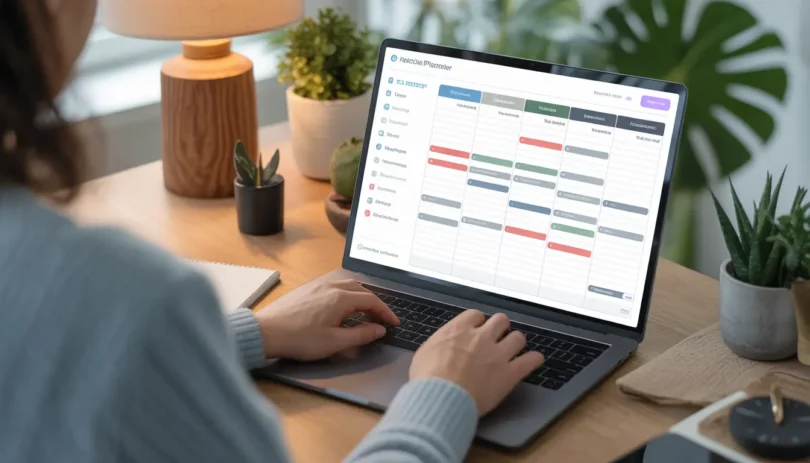
In today’s fast-moving world, the traditional 9–5 routine is no longer the only path to success. More people are searching for freedom, balance, and control over their time—and that’s where a flexible schedule comes in. Whether you’re working remotely, freelancing, or managing your own business, having the ability to design your day can completely transform how you live and work.
A flexible schedule isn’t just about convenience—it’s about creating a lifestyle that supports your productivity, mental well-being, and personal goals. Instead of forcing your life around work, you begin to shape your work around your life. The result? Less stress, more focus, and a stronger sense of fulfillment.
In this article, you’ll discover the 10 powerful benefits of a flexible schedule, and why this modern approach to work is becoming essential for anyone who wants to thrive in both their career and personal life.
Introduction to Flexible Schedule
What Is a Flexible Schedule?
A flexible schedule is a way of organizing your work hours that allows you to choose when, where, and sometimes how you work. Unlike the traditional 9–5 routine, a flexible schedule gives you the freedom to adjust your working time around your personal life, responsibilities, and energy levels.
This could mean starting your workday earlier or later, working in shorter focused blocks, or even spreading your tasks across different times of the day. Some people work best in the morning, while others are more productive at night—and a flexible schedule respects those natural rhythms.
There are different forms of flexible schedules, including remote work, compressed workweeks, freelance arrangements, and hybrid models. The goal isn’t just freedom—it’s efficiency. When you align your work with your peak performance hours, you often get more done in less time.
Why Flexible Schedule Is Gaining Popularity
The rise of the flexible schedule isn’t random—it’s driven by major changes in how we work and live. Technology has made it easier than ever to stay connected from anywhere, thanks to tools like Slack and Zoom. As a result, physical presence in an office is no longer required for productivity.
At the same time, people are becoming more aware of the importance of work-life balance. Long commutes, rigid schedules, and constant pressure have led many to experience stress and burnout. A flexible schedule offers a solution by allowing individuals to create a healthier balance between work and personal life.
Companies are also recognizing the benefits. Research from organizations like Gallup shows that employees with flexible work options tend to be more engaged, satisfied, and productive. This shift is not just a trend—it’s becoming the new standard in modern work culture.
Who Can Benefit from a Flexible Schedule?
The beauty of a flexible schedule is that it can benefit almost everyone, regardless of profession or lifestyle.
- Employees can enjoy better balance, reduced stress, and improved focus when they have control over their working hours.
- Freelancers already rely on flexible schedules to manage multiple clients and projects efficiently.
- Entrepreneurs use flexibility to prioritize high-impact tasks and grow their businesses strategically.
- Parents and caregivers benefit by being able to adjust their work around family responsibilities.
- Students and learners can combine education and work without feeling overwhelmed.
Even individuals who prefer structure can benefit from a flexible schedule by customizing their routine in a way that supports their productivity and well-being.
In the end, a flexible schedule isn’t about working less—it’s about working smarter, living better, and creating a lifestyle that truly fits who you are.
What Makes a Flexible Schedule Different from Traditional Work
Flexible Schedule vs 9–5 Jobs
The biggest difference between a flexible schedule and a traditional 9–5 job comes down to control. In a standard work model, your day is structured around fixed hours, a specific location, and often a strict routine. You’re expected to be present at the same time every day, regardless of your energy levels, personal commitments, or productivity patterns.
A flexible schedule, on the other hand, shifts the focus from hours worked to results achieved. Instead of watching the clock, you manage your time based on priorities and outcomes. This means you can work when you’re most focused, take breaks when needed, and design your day in a way that supports both productivity and well-being.
Another key difference is autonomy. With a flexible schedule, you have more independence in how you approach your tasks. You’re trusted to manage your workload without constant supervision, which often leads to higher motivation and better performance. In contrast, traditional schedules can sometimes feel restrictive, especially for those who don’t thrive in rigid environments.
Types of Flexible Schedules (Remote, Hybrid, Freelance)
A flexible schedule isn’t a one-size-fits-all concept—it comes in different forms depending on your job, industry, and lifestyle.
- Remote work allows you to work from anywhere, whether it’s your home, a café, or even while traveling. With tools like Zoom and Slack, staying connected with teams has become seamless.
- Hybrid work combines both office and remote work. You might spend a few days in the office and the rest working from home, giving you a balance between structure and flexibility.
- Freelance work offers the highest level of flexibility. You choose your clients, set your deadlines, and decide when and how you work. This model is especially popular among creatives, consultants, and digital professionals.
- Compressed workweeks (for example, working four longer days instead of five) also fall under flexible scheduling, allowing more free time without reducing total hours.
Each type of flexible schedule provides a different level of freedom, but they all share the same goal: giving you more control over your time.
Common Misconceptions About Flexible Schedule
Despite its growing popularity, the flexible schedule is often misunderstood. One common myth is that it means working less or being less productive. In reality, many people become more productive because they work during their peak energy hours and eliminate unnecessary distractions.
Another misconception is that flexible schedules lack structure. While it’s true that they offer freedom, they still require discipline and planning. Without clear goals and boundaries, it’s easy to lose focus or blur the line between work and personal life.
Some also believe that flexible schedules are only for freelancers or tech workers. But today, many industries—from education to healthcare to corporate roles—are adopting flexible options in different forms.
Finally, there’s the idea that managers lose control when employees work flexibly. However, modern research from organizations like Harvard Business Review shows that trust-based work environments often lead to higher engagement and better results.
Understanding these misconceptions helps you see the true value of a flexible schedule. It’s not about avoiding work—it’s about creating a smarter, more effective way to do it.
10 Powerful Benefits of a Flexible Schedule
A flexible schedule is more than a modern perk—it’s a powerful way to improve how you work, live, and grow. When you have control over your time, everything from productivity to mental health can shift in a positive direction. Let’s explore the 10 powerful benefits of a flexible schedule and why so many people are making the switch.
1. Improved Work-Life Balance
One of the biggest advantages of a flexible schedule is the ability to balance your professional and personal life. You can attend important events, spend time with family, or simply rest when needed—without sacrificing your work responsibilities.
7 Powerful Work Life Balance Hacks You Need to Know
2. Increased Productivity and Focus
When you work during your most productive hours, your efficiency naturally improves. A flexible schedule allows you to avoid forced work during low-energy periods, helping you stay focused and get more done in less time.
3. Reduced Stress and Burnout
Rigid schedules often lead to exhaustion and pressure. With a flexible schedule, you can take breaks, manage your workload better, and avoid the constant stress that leads to burnout.
4. Greater Control Over Your Time
Having control over your daily routine gives you a sense of freedom and responsibility. A flexible schedule empowers you to plan your day in a way that aligns with your goals and priorities.
5. Better Mental Health and Well-Being
Flexibility reduces anxiety and creates space for self-care. According to insights from World Health Organization, managing stress and maintaining balance are key factors in overall well-being—and a flexible schedule supports both.
6. More Opportunities for Personal Growth
With extra time and flexibility, you can invest in yourself—learning new skills, exercising, or pursuing passions. A flexible schedule gives you the freedom to grow beyond your job.
7. Increased Job Satisfaction
When you feel trusted and in control, your job becomes more enjoyable. Studies from Gallup show that employees with flexibility report higher satisfaction and engagement levels.
8. Enhanced Creativity and Innovation
A rigid routine can limit creativity. A flexible schedule allows your mind to rest and reset, which often leads to fresh ideas and better problem-solving.
9. Cost Savings (Transportation, Meals, etc.)
Working with a flexible schedule—especially remotely—can reduce daily expenses like commuting, eating out, and work-related costs. Over time, these savings can be significant.
10. Ability to Design Your Ideal Lifestyle
Perhaps the most powerful benefit of a flexible schedule is the ability to create a life that truly fits you. Instead of adjusting your life around work, you design your work around your life—leading to more freedom, fulfillment, and long-term happiness.
✨ Final Thought
A flexible schedule is not about working less—it’s about working smarter. When used correctly, it can transform your productivity, improve your well-being, and help you build a lifestyle that aligns with your values and ambitions.
Real-Life Examples of Flexible Schedule
Understanding a flexible schedule becomes much easier when you see how it works in real life. Different people use flexibility in different ways depending on their roles, responsibilities, and goals. Whether you’re an employee, freelancer, or entrepreneur, a flexible schedule can be adapted to fit your lifestyle.
Flexible Schedule for Employees
For employees, a flexible schedule often means adjusting work hours or location while still meeting company expectations. Instead of strictly following a 9–5 routine, many professionals now start earlier or later based on their productivity patterns.
For example, an employee might begin work at 7 a.m. and finish by mid-afternoon, leaving time for personal activities. Others may prefer a later start, especially if they’re more focused in the evening. In remote or hybrid setups, employees can also work from home several days a week, reducing commuting time and increasing comfort.
Many teams use tools like Microsoft Teams or Asana to stay aligned, making it easier to collaborate without being physically present. The key is clear communication and accountability—employees are evaluated on results, not just hours spent at a desk.
How to Create a Flexible Schedule That Works
Creating a flexible schedule isn’t just about having freedom—it’s about building a system that supports your productivity, goals, and lifestyle. Without the right structure, flexibility can quickly turn into distraction or inconsistency. The key is to design a schedule that works for you, not against you.
Identify Your Most Productive Hours
Everyone has natural energy cycles throughout the day. Some people are highly focused in the morning, while others feel more creative and alert in the evening. A successful flexible schedule starts with understanding when you perform at your best.
Pay attention to your daily patterns for a few days:
- When do you feel most focused?
- When do you get tired or distracted?
- When do you complete tasks faster and with better quality?
Once you identify your peak hours, schedule your most important or demanding tasks during those times. Use your lower-energy periods for lighter work like emails, meetings, or planning. Aligning your work with your natural rhythm can dramatically improve both productivity and efficiency.
Set Clear Goals and Priorities
Flexibility without direction leads to chaos. That’s why setting clear goals is essential when building a flexible schedule. You need to know exactly what you want to accomplish each day, week, or month.
Start by defining your top priorities:
- What tasks have the biggest impact?
- What deadlines must be met?
- What can be postponed or delegated?
Break larger goals into smaller, manageable tasks. This makes your schedule easier to follow and helps you stay consistent. Instead of working randomly, you’ll have a clear roadmap guiding your day.
A helpful approach is to focus on results rather than hours. Instead of asking, “How long should I work?” ask, “What do I need to complete today?” This mindset shift is what makes a flexible schedule truly effective.
Use Time Management Techniques
To make your flexible schedule productive, you need simple but effective time management strategies. Without them, it’s easy to procrastinate or lose track of time.
Some proven techniques include:
- Time blocking: Divide your day into blocks dedicated to specific tasks
- Pomodoro technique: Work in focused intervals (e.g., 25 minutes) followed by short breaks
- Task batching: Group similar tasks together to reduce mental switching
- Priority frameworks: Focus on high-impact tasks first
These methods help you stay organized while still enjoying the freedom of a flexible schedule. They also reduce decision fatigue because you already know what to work on and when.
Leverage Tools (e.g., Google Calendar, Trello)
Technology plays a big role in making a flexible schedule successful. The right tools can help you plan, track, and optimize your time with ease.
- Google Calendar is perfect for scheduling tasks, setting reminders, and organizing your day visually.
- Trello helps you manage projects, track progress, and stay organized with boards and task lists.
- You can also use apps like Notion to combine notes, planning, and task management in one place.
These tools reduce mental load and keep everything structured, allowing you to focus on execution rather than constantly figuring out what to do next.
✨ Key Takeaway
A flexible schedule works best when it combines freedom with structure. By understanding your productivity patterns, setting clear goals, using proven techniques, and leveraging the right tools, you can create a system that maximizes your time and supports your long-term success.
Flexible Schedule for Freelancers
Freelancers arguably have the most freedom when it comes to a flexible schedule. They choose their working hours, select their clients, and decide how to structure their day.
A freelance writer, for instance, might work in short, focused sessions throughout the day, while a graphic designer may prefer long creative blocks at night. Freelancers can also adjust their schedules depending on workload—working more during busy periods and slowing down when things are lighter.
However, this level of flexibility requires discipline. Many freelancers rely on tools like Trello or Notion to organize tasks, track deadlines, and maintain consistency. When managed well, a flexible schedule allows freelancers to balance productivity with personal freedom.
Flexible Schedule for Entrepreneurs
Entrepreneurs use a flexible schedule to focus on high-impact activities that drive growth. Instead of being tied to fixed hours, they design their day around priorities like strategy, decision-making, and innovation.
For example, a business owner might dedicate mornings to deep work—planning, analyzing, or creating—and use afternoons for meetings or team communication. Some entrepreneurs also build routines that include personal development, exercise, or networking.
Flexibility also allows entrepreneurs to adapt quickly. If a new opportunity arises or a challenge needs attention, they can shift their schedule without being restricted by rigid structures.
That said, flexibility doesn’t mean working less. Many entrepreneurs work long hours, especially in the early stages. The difference is that they choose when and how they work, aligning their schedule with their vision and long-term goals.
✨ Key Takeaway
These real-life examples show that a flexible schedule is not limited to one type of work or lifestyle. It’s a customizable approach that can help employees, freelancers, and entrepreneurs work more effectively while creating a better balance between professional success and personal well-being.
A flexible schedule is more than just a trend—it’s a smarter, more sustainable way to live and work. By giving you control over your time, it opens the door to better productivity, improved mental health, and a healthier work-life balance. Instead of feeling trapped in a rigid routine, you gain the freedom to focus on what truly matters.
Of course, flexibility comes with responsibility. Staying disciplined, setting boundaries, and managing your time effectively are key to making it work. But once you find the right rhythm, the benefits can be life-changing.
Now is the perfect time to rethink how you structure your day. Start small, experiment with your routine, and gradually build a flexible schedule that aligns with your goals and lifestyle. In the end, it’s not just about working differently—it’s about living better.






Leave a Comment