
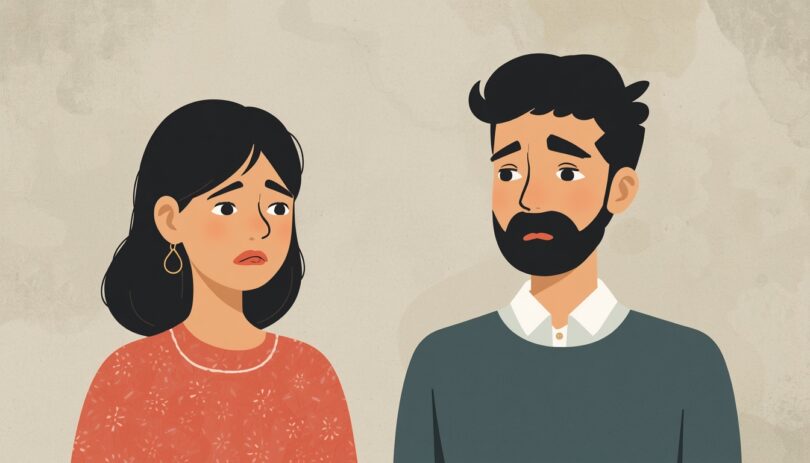
Every marriage experiences disagreements, challenges, and periods of stress. However, when unhealthy behaviors become consistent rather than occasional, they can slowly erode trust, emotional intimacy, and the overall health of the relationship. Recognizing the signs of a bad husband isn’t about judging someone for making mistakes—it’s about identifying ongoing patterns of disrespect, emotional neglect, poor communication, or controlling behavior that may be harming your well-being.
Understanding these warning signs can help you evaluate your relationship more clearly and determine the healthiest path forward. While some marriages improve through honest communication and mutual effort, others may require professional guidance to rebuild trust and emotional connection.
In this guide, you’ll learn 7 clear signs you have a bad husband, how these behaviors can affect your emotional health, and the practical steps you can take to protect your well-being and strengthen your relationship whenever possible.
Understanding the Signs of a Bad Husband
Every marriage faces challenges, disagreements, and difficult seasons. No spouse is perfect, and occasional mistakes, misunderstandings, or conflicts are a normal part of any long-term relationship. However, when harmful behaviors become consistent and remain unchanged despite honest conversations or repeated efforts to improve the relationship, they can seriously affect the health of a marriage.
Understanding the signs of a bad husband does not mean labeling someone based on a single argument or isolated mistake. Instead, it involves recognizing persistent patterns of disrespect, emotional neglect, manipulation, or unhealthy communication that damage trust, emotional safety, and mutual respect over time.
Learning to identify these patterns can help you evaluate your relationship more objectively and decide what healthy steps to take next.
What Does It Mean to Have a Bad Husband?
A bad husband is not simply someone who occasionally forgets an anniversary, gets frustrated after a stressful day, or makes mistakes. Everyone has flaws and experiences moments of weakness. The concern arises when negative behaviors become habitual and begin harming the relationship on an ongoing basis.
A healthy marriage is built on consistent care, respect, honesty, and a willingness to grow together. When these qualities are repeatedly absent, the relationship may become emotionally unhealthy.
Unhealthy Relationship Behaviors
Certain behaviors can gradually weaken a marriage if they occur regularly without accountability or change.
Examples include:
- Constant criticism or belittling
- Ignoring your feelings or concerns
- Refusing to communicate respectfully
- Controlling decisions or finances
- Manipulating through guilt or fear
- Breaking promises repeatedly
- Showing little empathy or emotional support
These behaviors create emotional distance and make it difficult for both partners to feel valued and secure.
Occasional Mistakes vs. Repeated Harmful Patterns
Every husband will make mistakes at times. Stress, work pressures, illness, or misunderstandings can lead to occasional arguments or poor decisions.
Healthy relationships differ because both partners typically:
- Accept responsibility for their actions.
- Apologize sincerely.
- Listen to each other’s concerns.
- Make genuine efforts to improve.
- Learn from past mistakes.
In contrast, repeated harmful patterns often include:
- Refusing to apologize.
- Blaming others for every conflict.
- Ignoring the same problems repeatedly.
- Dismissing your feelings.
- Showing little desire to change.
The difference is not the presence of conflict—it is whether both partners are committed to resolving it in healthy ways.
Why Mutual Respect, Trust, and Communication Are the Foundation of a Healthy Marriage
Strong marriages are built on three essential pillars:
Mutual Respect
Respect means treating your spouse with kindness, dignity, and consideration—even during disagreements. Respectful couples avoid insults, humiliation, and contempt because they recognize that healthy communication strengthens trust.
Trust
Trust allows partners to feel emotionally and physically safe. It develops through honesty, consistency, reliability, and accountability. Without trust, insecurity and resentment often replace closeness.
Healthy Communication
Open communication helps couples solve problems before they become larger conflicts. It encourages understanding instead of assumptions and allows both partners to express their thoughts without fear of judgment.
When respect, trust, and communication are consistently missing, emotional distance often grows, making it more difficult to maintain a healthy marriage.
7 Conflict Resolution Tips for Couples [Updated 2026]
Common Causes of Unhealthy Marriage Behaviors
Unhealthy behaviors rarely appear without underlying causes. While these causes do not excuse harmful actions, understanding them can provide insight into why certain relationship patterns develop.
Recognizing these issues may also help couples determine whether positive change is possible through honest communication and professional support.
Poor Communication Habits
Communication problems are among the most common causes of marital conflict.
Examples include:
- Avoiding difficult conversations
- Interrupting each other
- Criticizing instead of listening
- Using sarcasm or contempt
- Giving the silent treatment
- Assuming instead of asking questions
Over time, poor communication creates misunderstandings, resentment, and emotional distance.
Healthy communication involves active listening, empathy, patience, and respectful disagreement.
5 Signs of Poor Communication in Marriage and How to Fix Them
Stress, Unresolved Conflict, and Emotional Immaturity
External stress often affects how people behave at home.
Common stressors include:
- Heavy workloads
- Health concerns
- Financial difficulties
- Family responsibilities
If stress is not managed effectively, it may lead to irritability, emotional withdrawal, or increased conflict.
Emotional immaturity can also contribute to unhealthy behaviors. Someone who struggles with emotional regulation may:
- React impulsively.
- Avoid responsibility.
- Become defensive.
- Have difficulty expressing emotions.
- Blame others for personal mistakes.
Learning emotional regulation skills can improve both communication and relationship satisfaction.
Financial Pressure, Parenting Challenges, and Unmet Expectations
Marriage involves shared responsibilities that can create ongoing stress.
Common challenges include:
- Financial disagreements
- Parenting responsibilities
- Household responsibilities
- Career demands
- Different expectations about marriage
When couples fail to discuss these issues openly, frustration can build over time.
Regular conversations about goals, responsibilities, and expectations help prevent many unnecessary conflicts.
The Role of Emotional Intelligence in Marriage
Emotional intelligence refers to the ability to recognize, understand, and manage emotions effectively.
Emotionally intelligent spouses are more likely to:
- Communicate calmly.
- Listen without interrupting.
- Show empathy.
- Resolve disagreements respectfully.
- Take responsibility for mistakes.
Low emotional intelligence often contributes to repeated arguments, misunderstandings, and emotional disconnection.
Fortunately, emotional intelligence can be strengthened through self-awareness, communication practice, and counseling.
How a Bad Husband Can Affect Your Emotional Well-Being
Living in a marriage characterized by ongoing unhealthy behaviors can affect much more than the relationship itself. It can influence your emotional health, self-confidence, and overall quality of life.
While every situation is unique, persistent emotional distress should never be ignored.
Emotional Neglect and Chronic Stress
Emotional neglect occurs when one partner consistently ignores or dismisses the emotional needs of the other.
Examples include:
- Showing little affection
- Ignoring emotional conversations
- Offering little support during difficult times
- Dismissing concerns as unimportant
Over time, emotional neglect can lead to chronic stress.
Long-term stress may contribute to:
- Anxiety
- Emotional exhaustion
- Difficulty concentrating
- Sleep problems
- Persistent sadness
Everyone deserves to feel emotionally supported within a committed relationship.
Loss of Self-Esteem and Emotional Security
Repeated criticism, rejection, or manipulation can gradually affect how someone views themselves.
You may begin to:
- Question your worth.
- Lose confidence.
- Feel responsible for every conflict.
- Walk on eggshells to avoid arguments.
- Doubt your own judgment.
Healthy marriages encourage both partners to grow with confidence rather than diminishing their sense of self.
Supportive spouses celebrate each other’s strengths while helping one another through weaknesses.
The Impact on Trust, Intimacy, and Family Relationships
Trust and emotional intimacy develop slowly but can be damaged by repeated unhealthy behaviors.
When trust declines, couples often experience:
- Reduced emotional closeness
- Less open communication
- Increased conflict
- Emotional withdrawal
- Greater relationship dissatisfaction
If children are involved, ongoing marital conflict may also affect the overall family environment. Witnessing frequent disrespect, hostility, or unresolved arguments can increase stress for everyone in the household.
This does not mean every struggling marriage is beyond repair. Many couples rebuild trust and strengthen their relationship through honest communication, accountability, and professional counseling. However, meaningful change requires genuine effort from both partners.
Recognizing the signs of a bad husband is not about assigning blame—it is about understanding unhealthy relationship patterns that may be preventing a marriage from thriving. By identifying these behaviors early, couples have a better opportunity to improve communication, strengthen emotional connection, and create a healthier, more respectful partnership. When harmful patterns continue despite repeated efforts to resolve them, seeking professional guidance can provide valuable support and help clarify the healthiest path forward.
7 Clear Signs You Have a Bad Husband
Every marriage experiences disagreements, frustration, and difficult seasons. However, when certain harmful behaviors become consistent rather than occasional, they can slowly damage trust, emotional intimacy, and the overall health of the relationship.
A bad husband is not defined by one mistake or a single argument. Instead, it refers to a pattern of behaviors that repeatedly leaves one partner feeling disrespected, unsupported, controlled, or emotionally unsafe. Recognizing these warning signs can help you better understand your relationship and decide what healthy steps to take moving forward.
Bad Husband Sing 1: He Constantly Disrespects You
Respect is one of the most important foundations of a healthy marriage. Even during disagreements, both partners should feel heard, valued, and treated with dignity. If your husband regularly speaks or behaves in ways that diminish your worth, it may be a serious warning sign.
Dismissive Language and Criticism
Constructive feedback helps relationships grow, but constant criticism can slowly damage your confidence and emotional well-being.
Examples include:
- Frequently insulting your opinions.
- Mocking your ideas.
- Speaking to you with sarcasm or contempt.
- Calling you hurtful names.
- Dismissing your achievements.
When criticism becomes a regular form of communication, it creates emotional distance instead of solving problems.
Public Humiliation or Belittling
Respect should never disappear when other people are present.
A husband who regularly embarrasses you in front of family, friends, or coworkers may:
- Make jokes at your expense.
- Correct or criticize you publicly.
- Share private information without permission.
- Undermine your confidence.
Public humiliation can damage trust and make you feel isolated or embarrassed.
Lack of Appreciation and Kindness
Healthy marriages thrive on appreciation.
A husband who rarely acknowledges your efforts, expresses gratitude, or shows kindness may unintentionally make you feel invisible.
Small acts of appreciation—such as saying “thank you,” offering encouragement, or recognizing your contributions—help strengthen emotional connection and mutual respect.
Bad Husband Sing 2: He Avoids Healthy Communication
Strong communication allows couples to resolve disagreements before they become larger problems. If your husband consistently avoids meaningful conversations, unresolved issues often continue to build over time.
Refuses to Discuss Problems
Healthy couples address challenges together.
A husband who avoids communication may:
- Change the subject.
- Walk away from discussions.
- Pretend nothing is wrong.
- Refuse to acknowledge problems.
Avoidance rarely solves conflict—it usually allows resentment to grow.
Gives the Silent Treatment or Becomes Defensive
Some people respond to conflict by withdrawing emotionally or becoming defensive.
Examples include:
- Ignoring your attempts to talk.
- Refusing to answer questions.
- Becoming angry whenever concerns are raised.
- Turning every conversation into an argument.
The silent treatment can leave one partner feeling rejected and emotionally disconnected.
Poor Listening and Unresolved Conflicts
Healthy communication requires listening as much as speaking.
Poor listening may involve:
- Interrupting constantly.
- Ignoring your perspective.
- Making assumptions.
- Dismissing your emotions.
When conflicts remain unresolved, the same arguments often repeat without meaningful progress.
Bad Husband Sing 3: He Never Takes Responsibility for His Actions
Accountability is essential for rebuilding trust after disagreements or mistakes. Everyone makes errors, but emotionally healthy partners accept responsibility and work to improve.
Blaming Others for Mistakes
A husband who never accepts responsibility may blame:
- You
- Family members
- Work stress
- Financial problems
- Other circumstances
While external pressures can influence behavior, they should not become excuses for repeatedly hurting a partner.
Refusing to Apologize
A sincere apology demonstrates maturity and respect.
If your husband rarely apologizes—even when he clearly causes harm—it may suggest an unwillingness to acknowledge your feelings.
Healthy apologies include:
- Accepting responsibility.
- Expressing genuine remorse.
- Making changes to prevent repeating the behavior.
Repeating Harmful Behaviors Without Change
Promises mean little without consistent action.
If harmful behaviors continue despite repeated discussions, apologies, or promises to change, the relationship may remain stuck in unhealthy patterns.
Real growth requires consistent effort rather than temporary improvements.
Bad Husband Sing 4: He Is Emotionally Unavailable
Emotional intimacy helps couples feel connected, supported, and understood. A husband who is emotionally unavailable may create feelings of loneliness, even while sharing the same home.
Lack of Affection and Emotional Support
Emotional support can be shown through:
- Listening attentively.
- Offering encouragement.
- Showing affection.
- Providing comfort during difficult times.
When these behaviors are consistently absent, emotional connection often weakens.
Ignoring Your Emotional Needs
Everyone wants to feel heard and understood.
Emotional neglect may involve:
- Ignoring your concerns.
- Minimizing your feelings.
- Showing little empathy.
- Avoiding emotional conversations.
Over time, feeling emotionally unseen can affect both self-esteem and relationship satisfaction.
Creating Emotional Distance in the Relationship
When emotional needs remain unmet, couples often begin living parallel lives rather than sharing meaningful experiences.
Signs of emotional distance include:
- Few meaningful conversations.
- Limited affection.
- Spending little quality time together.
- Feeling lonely despite being married.
Healthy marriages prioritize emotional connection alongside practical responsibilities.
Bad Husband Sing 5: He Tries to Control or Manipulate You
Healthy relationships encourage independence, mutual decision-making, and trust. Controlling behaviors, however, can gradually limit one partner’s freedom and create an unhealthy power imbalance.
Controlling Finances or Major Decisions
While couples often manage finances together, controlling behavior may include:
- Restricting access to money.
- Making important decisions without consulting you.
- Monitoring spending excessively.
- Preventing financial independence.
Healthy marriages involve teamwork and shared decision-making whenever possible.
Excessive Jealousy or Monitoring
Jealousy can become harmful when it turns into constant monitoring or distrust.
Examples include:
- Checking your phone without permission.
- Monitoring your location.
- Questioning every interaction.
- Isolating you from friends or family.
Trust is strengthened through open communication, not constant surveillance.
Using Guilt, Fear, or Manipulation to Influence You
Manipulation often appears in subtle ways.
Examples include:
- Making you feel guilty for setting boundaries.
- Threatening to withdraw affection.
- Twisting conversations to make you feel responsible for everything.
- Using fear to control your decisions.
Healthy influence comes through respect and collaboration, not emotional pressure.
Bad Husband Sing 6: He Ignores Your Needs and Boundaries
Healthy boundaries protect emotional well-being and encourage mutual respect. A husband who consistently ignores your boundaries may communicate that your needs are less important than his own.
Disrespecting Personal Limits
Ignoring boundaries may involve:
- Pressuring you after you’ve said no.
- Interrupting personal time.
- Ignoring requests for privacy.
- Disregarding agreed-upon limits.
Healthy partners respect each other’s comfort levels and personal space.
Prioritizing His Own Needs Consistently
Marriage involves compromise.
If one person’s needs always take priority, resentment often develops.
Healthy couples strive to balance:
- Responsibilities
- Personal goals
- Family needs
- Emotional support
Both partners deserve to feel valued.
Showing Little Empathy for Your Feelings
Empathy helps people understand one another during both joyful and difficult moments.
Without empathy, conversations may become dismissive, critical, or emotionally disconnected.
Feeling emotionally understood strengthens trust and creates deeper intimacy.
Bad Husband Sing 7: He Refuses to Work on the Marriage
Every marriage faces problems. The difference between thriving and struggling relationships often depends on each partner’s willingness to work toward positive change.
Rejecting Honest Conversations
If your husband consistently avoids discussing important issues, meaningful progress becomes difficult.
Healthy couples create opportunities to:
- Share concerns respectfully.
- Listen openly.
- Seek solutions together.
- Learn from disagreements.
Avoiding difficult conversations rarely improves the relationship.
Refusing Counseling or Professional Help
Sometimes couples need outside support to improve communication and rebuild trust.
Marriage counseling can provide:
- Communication strategies
- Conflict resolution skills
- Emotional support
- Practical tools for rebuilding connection
While not every couple requires counseling, refusing help despite ongoing problems may prevent meaningful improvement.
Showing Little Interest in Improving the Relationship
One of the clearest signs of an unhealthy marriage is when one partner has stopped investing in the relationship altogether.
This may include:
- Ignoring repeated concerns.
- Making no effort to rebuild trust.
- Showing little interest in spending time together.
- Refusing to compromise or grow.
Healthy marriages require commitment from both spouses. Lasting improvement happens when each partner is willing to take responsibility, communicate openly, and work together toward positive change.
Recognizing these seven signs of a bad husband is not about judging someone based on isolated mistakes or encouraging immediate conclusions about a marriage. Instead, it is about identifying persistent patterns of unhealthy behavior that may be affecting your emotional well-being and the quality of your relationship. If you recognize several of these signs, consider having honest conversations, setting healthy boundaries, and seeking support from trusted loved ones or a qualified marriage counselor. Every person deserves a relationship built on mutual respect, trust, kindness, and emotional safety.
What to Do Next if You Recognize These Signs
Recognizing the signs of a bad husband can bring up many emotions, including confusion, sadness, frustration, or uncertainty about what to do next. It’s important to remember that every marriage is unique, and not every relationship facing difficulties is beyond repair. Some couples are able to rebuild trust and improve communication through mutual effort, while others may discover that deeper changes or professional support are needed.
Rather than making decisions based on anger or fear, take time to carefully evaluate the situation. Focus on protecting your emotional well-being, communicating honestly, and seeking appropriate support when necessary.
Communicate Honestly and Set Healthy Boundaries
Healthy communication is often the first step toward addressing relationship problems. If your husband is willing to listen and work on the marriage, honest conversations can create opportunities for understanding and positive change.
Express Your Concerns Calmly and Clearly
Difficult conversations are more productive when they focus on specific behaviors instead of personal attacks.
Instead of saying:
“You’re always a terrible husband.”
Try saying:
“I feel hurt when my concerns are dismissed because it makes me feel unheard.”
Using “I” statements helps reduce defensiveness and encourages open discussion.
When expressing concerns:
- Be specific about the behavior.
- Explain how it affects you.
- Avoid insults or blame.
- Stay focused on solving the problem.
- Choose a calm time to talk.
The goal is not to win an argument but to strengthen understanding.
Practice Active Listening
Communication is a two-way process. While it’s important to express your feelings, it’s equally important to understand your partner’s perspective.
Active listening involves:
- Giving your full attention.
- Avoiding interruptions.
- Asking clarifying questions.
- Reflecting back what you heard.
- Showing empathy, even during disagreements.
Listening does not mean agreeing with harmful behavior. It simply creates space for honest dialogue and can reduce unnecessary conflict.
Establish Healthy Boundaries and Mutual Expectations
Healthy boundaries protect both partners and create a stronger relationship.
Examples of healthy boundaries include:
- Speaking respectfully during disagreements.
- Avoiding insults or name-calling.
- Respecting personal time and privacy.
- Sharing household responsibilities fairly.
- Agreeing on healthy conflict-resolution strategies.
Discussing mutual expectations can also prevent future misunderstandings.
Topics may include:
- Communication
- Finances
- Parenting
- Personal responsibilities
- Quality time together
Clear expectations encourage accountability and mutual respect.
Focus on Respectful Communication
Even during conflict, respectful communication should remain the standard.
Healthy communication includes:
- Remaining calm whenever possible.
- Avoiding contempt or sarcasm.
- Focusing on solutions instead of blame.
- Taking breaks if emotions become overwhelming.
- Returning to the conversation when both partners are ready.
Respectful conversations strengthen trust and make lasting change more likely.
Prioritize Your Emotional Well-Being
If you recognize ongoing signs of a bad husband, caring for your own emotional health is essential. Supporting your well-being does not mean giving up on your marriage—it means ensuring that your own needs are not overlooked while working through relationship challenges.
Strengthen Your Self-Esteem
Persistent criticism, emotional neglect, or controlling behaviors can gradually affect your confidence.
Rebuilding self-esteem may involve:
- Practicing positive self-talk.
- Recognizing your strengths.
- Pursuing personal goals.
- Learning new skills.
- Celebrating small achievements.
Your value is not determined by another person’s behavior.
Healthy self-esteem helps you make thoughtful decisions rather than reacting from fear or self-doubt.
Build a Supportive Network of Trusted Friends and Family
Healthy relationships outside your marriage provide valuable emotional support.
Trusted people can offer:
- Encouragement.
- Perspective.
- Practical advice.
- Emotional comfort.
- A safe space to talk.
Choose people who are supportive, respectful, and willing to listen without pressuring you into immediate decisions.
If discussing your relationship with others, focus on seeking guidance rather than simply venting frustration.
Practice Self-Care and Stress Management
Relationship stress can affect both physical and emotional health.
Regular self-care helps restore balance.
Healthy self-care habits include:
- Getting enough sleep.
- Exercising regularly.
- Eating nutritious meals.
- Practicing mindfulness or meditation.
- Journaling your thoughts.
- Spending time outdoors.
- Enjoying hobbies you love.
These activities reduce stress and improve emotional resilience, making it easier to navigate difficult situations with clarity.
Recognize When Unhealthy Patterns Continue Despite Your Efforts
Change requires commitment from both partners.
If you have repeatedly:
- Communicated honestly.
- Set healthy boundaries.
- Practiced patience.
- Sought solutions together.
yet the harmful behaviors continue without meaningful improvement, it may be time to reconsider your next steps.
Recognizing persistent unhealthy patterns is not a sign of failure—it is an important part of protecting your emotional well-being.
Know When to Seek Professional Support
Some marital challenges are difficult to resolve without outside guidance. Professional support can provide practical tools, improve communication, and help couples better understand one another.
Seeking help is not a sign of weakness. It is often a sign that both individuals value the relationship enough to invest in its future.
Benefits of Marriage Counseling and Couples Therapy
Marriage counseling provides a structured environment where couples can work through challenges with the support of a trained professional.
Counseling may help couples:
- Improve communication.
- Resolve recurring conflicts.
- Rebuild trust.
- Strengthen emotional intimacy.
- Develop healthier relationship habits.
Many couples discover new ways to understand one another and solve problems more effectively.
Successful counseling requires genuine participation from both partners.
Individual Therapy for Emotional Support
Even if your husband is unwilling to participate in counseling, individual therapy can still be highly beneficial.
A therapist can help you:
- Process difficult emotions.
- Strengthen self-esteem.
- Learn healthy coping skills.
- Clarify personal goals.
- Develop healthy boundaries.
Individual counseling provides a safe, confidential space to explore your experiences and make informed decisions.
Recognizing When Professional Guidance Is Necessary
Professional support may be especially important if you experience ongoing patterns such as:
- Constant emotional distress.
- Severe communication breakdown.
- Repeated manipulation or controlling behavior.
- Persistent emotional neglect.
- Escalating conflict that remains unresolved.
A qualified mental health professional can help you assess the situation, explore available options, and create a plan that supports your emotional well-being.
If a relationship involves abuse, threats, intimidation, or fear for your safety, seeking specialized professional support and prioritizing your safety is especially important.
Creating a Healthier Future Through Informed Decisions
Whether your marriage improves, continues through counseling, or requires difficult long-term decisions, thoughtful choices are usually healthier than impulsive reactions.
Ask yourself:
- Is there genuine effort from both partners?
- Are harmful behaviors decreasing over time?
- Do I feel respected and emotionally safe?
- Is trust being rebuilt?
- Are we working toward shared goals?
These questions can help you evaluate whether meaningful progress is taking place.
Recognizing the signs of a bad husband does not automatically determine the future of your marriage. Instead, it provides an opportunity to honestly assess the relationship and decide what steps best support your emotional health and long-term happiness. Through respectful communication, healthy boundaries, self-care, and professional guidance when needed, many people gain greater clarity about their relationships and move toward a healthier future. Every marriage is different, but every person deserves to be treated with respect, kindness, and emotional dignity.
Recognizing the signs of a bad husband can be difficult, especially when emotions, shared history, and family responsibilities are involved. While every marriage has imperfections, repeated patterns of disrespect, emotional neglect, manipulation, or refusal to communicate should never be ignored. Identifying these behaviors is the first step toward understanding whether your relationship is facing temporary challenges or more serious issues that require attention.
The good news is that lasting change is possible when both partners are willing to take responsibility, communicate openly, and work together to rebuild trust and respect. Setting healthy boundaries, prioritizing your emotional well-being, and seeking professional support when needed can help create a stronger and healthier relationship.
Above all, remember that every person deserves a marriage built on mutual respect, kindness, trust, and emotional support. By recognizing the signs of a bad husband early and taking thoughtful action, you can make informed decisions that support your long-term happiness, emotional health, and relationship well-being.






Leave a Comment