
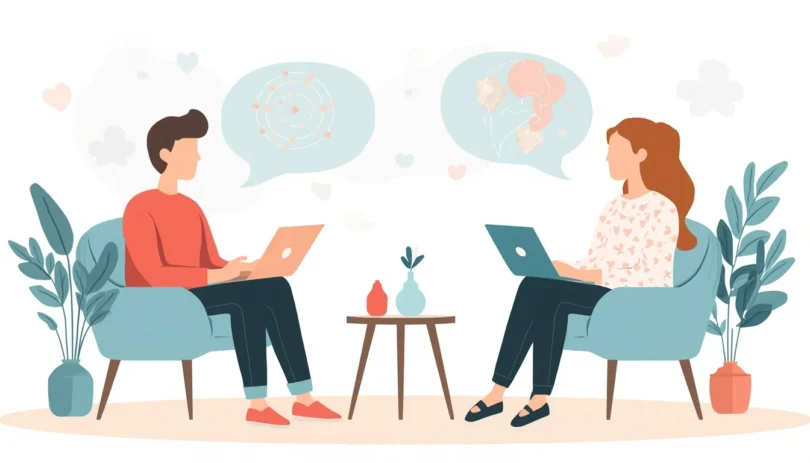
Couples therapy for communication helps partners develop healthier ways to talk, listen, and emotionally connect with each other. Through practical communication strategies, emotional support, and professional guidance, couples can learn how to resolve conflicts peacefully, rebuild trust, and strengthen emotional intimacy. Whether you are experiencing constant arguments or simply want to improve your relationship, learning better communication skills can create a healthier and more supportive partnership.
Healthy communication is the foundation of every strong and lasting relationship. However, many couples struggle with misunderstandings, emotional distance, unresolved conflict, or difficulty expressing their feelings openly. Over time, these communication problems can create stress, frustration, and disconnection between partners. This is where couples therapy for communication can make a powerful difference.
In this guide, you will discover the importance of couples therapy for communication, common communication mistakes that hurt relationships, warning signs that therapy may help, and practical ways to strengthen your emotional connection with your partner.
What Is Couples Therapy for Communication?
Couples therapy for communication is a type of relationship counseling designed to help partners improve the way they speak, listen, and connect with each other. Many couples struggle with misunderstandings, emotional distance, unresolved arguments, or difficulty expressing feelings. Through guided sessions with a licensed therapist, couples can learn healthier communication habits that strengthen trust, intimacy, and emotional understanding.
The main goal of couples therapy for communication is not simply to stop arguments. Instead, it helps couples understand the deeper emotional needs behind their words and reactions. Therapy creates a safe and supportive environment where both partners can openly discuss concerns, improve listening skills, and develop better ways to handle conflict.
Whether a couple is dating, engaged, or married, communication therapy can help rebuild emotional connection and improve relationship satisfaction over time.
How Couples Therapy Helps Relationships
One of the biggest benefits of couples therapy for communication is that it teaches partners how to communicate in a healthier and more respectful way. Many relationship problems happen because couples misunderstand each other or fail to express emotions clearly. A therapist helps identify these communication barriers and provides practical strategies to overcome them.
During therapy sessions, couples often learn skills such as active listening, empathy, emotional awareness, and conflict resolution. These tools allow both partners to feel heard and understood instead of criticized or ignored. As communication improves, trust and emotional intimacy also become stronger.
Couples therapy for communication can also help partners:
- Reduce constant arguments and tension
- Improve emotional connection
- Express feelings without fear or anger
- Develop healthy problem-solving skills
- Rebuild trust after misunderstandings
- Strengthen long-term relationship stability
Over time, these positive changes can create a healthier and more supportive relationship dynamic.
Why Communication Matters in a Healthy Relationship
Communication is the foundation of every successful relationship. Without honest and respectful communication, even strong couples may struggle with frustration, emotional distance, and recurring conflict. Healthy communication helps partners share their thoughts, needs, goals, and emotions in ways that encourage understanding and mutual respect.
Couples therapy for communication focuses on improving both verbal and nonverbal communication. This includes tone of voice, body language, listening habits, and emotional expression. When couples communicate effectively, they are more likely to solve problems peacefully and support each other emotionally.
Good communication also helps couples:
- Build trust and emotional safety
- Strengthen intimacy and affection
- Prevent misunderstandings
- Handle disagreements calmly
- Support each other during stressful times
- Maintain a deeper emotional connection
Relationships grow stronger when both partners feel valued, respected, and emotionally heard.
Common Communication Problems Couples Face
Many couples experience communication challenges at some point in their relationship. Stress, busy schedules, emotional triggers, and unresolved conflicts can all create communication problems that damage connection over time.
Some of the most common issues addressed in couples therapy for communication include:
- Poor listening skills
Partners may interrupt each other, ignore concerns, or focus more on responding than understanding. - Constant criticism or blame
Negative communication patterns can make one or both partners feel attacked or unappreciated. - Avoiding difficult conversations
Some couples avoid discussing important topics because they fear conflict or rejection. - Emotional withdrawal
One partner may shut down emotionally during conversations, leading to distance and frustration. - Misunderstandings and assumptions
Couples sometimes assume they know what the other person thinks or feels without asking directly. - Lack of emotional expression
Difficulty sharing emotions openly can weaken intimacy and trust.
Couples therapy for communication helps identify these unhealthy patterns and replaces them with healthier communication habits. By learning how to communicate with empathy, honesty, and patience, couples can improve both their relationship satisfaction and emotional connection.
Signs You May Need Couples Therapy for Communication
Every relationship faces challenges, but ongoing communication problems can slowly damage trust, intimacy, and emotional connection. Many couples do not realize how deeply poor communication affects their relationship until arguments become constant or emotional distance begins to grow. Couples therapy for communication can help partners recognize unhealthy patterns and learn healthier ways to connect and understand each other.
Seeking help is not a sign of failure. In many cases, couples therapy for communication provides the tools needed to rebuild trust, improve emotional intimacy, and create more supportive conversations. Recognizing the warning signs early can prevent small communication issues from turning into larger relationship problems.
Constant Arguments and Misunderstandings
Frequent arguments are one of the clearest signs that a couple may benefit from couples therapy for communication. While disagreements are normal in any relationship, constant fighting often points to deeper communication issues that remain unresolved. Couples may find themselves repeating the same arguments without finding healthy solutions.
Misunderstandings can happen when partners do not listen carefully, make assumptions, or struggle to express themselves clearly. Over time, these repeated conflicts can create frustration, resentment, and emotional exhaustion. Small disagreements may quickly turn into larger arguments because both partners feel unheard or misunderstood.
Couples therapy for communication helps partners break unhealthy conflict patterns by teaching active listening, empathy, and respectful communication techniques. Therapy also encourages couples to focus on understanding each other instead of simply trying to win arguments.
Some common signs include:
- Repeating the same arguments regularly
- Feeling misunderstood during conversations
- Conversations quickly becoming defensive or hostile
- Difficulty resolving conflicts peacefully
- Blaming or criticizing each other frequently
Learning healthier communication habits can reduce tension and create more productive and respectful discussions.
Feeling Emotionally Disconnected
Emotional connection is an important part of every healthy relationship. When communication weakens, many couples begin to feel distant from each other emotionally. Partners may still live together and interact daily, but the relationship may start to feel cold, disconnected, or emotionally empty.
This emotional distance often develops slowly. Busy lifestyles, stress, unresolved conflicts, or poor communication habits can make couples stop sharing their thoughts, emotions, and personal experiences. Over time, both partners may feel lonely even while being in the relationship.
Couples therapy for communication helps rebuild emotional intimacy by creating safe and honest conversations. A therapist guides couples toward understanding each other’s emotional needs and improving emotional support within the relationship.
Signs of emotional disconnection may include:
- Feeling lonely in the relationship
- Lack of meaningful conversations
- Reduced affection or emotional support
- Spending less quality time together
- Feeling emotionally ignored or unimportant
Improving communication can help couples reconnect emotionally and strengthen their bond over time.
Difficulty Expressing Thoughts and Feelings
Many people struggle to express their emotions openly, especially during stressful or emotional situations. Some partners fear being judged, misunderstood, or rejected, which can lead them to hide their true feelings. Others may become angry or defensive because they do not know how to communicate emotions in a healthy way.
Poor emotional expression can create confusion and frustration in relationships. When thoughts and feelings remain unspoken, misunderstandings become more common and emotional needs may go unmet. Couples therapy for communication teaches partners how to express themselves honestly while maintaining respect and emotional control.
Therapists often help couples improve:
- Emotional awareness
- Clear and respectful communication
- Confidence in sharing feelings
- Listening without judgment
- Understanding emotional triggers
Common signs of communication difficulties include:
- Struggling to explain emotions clearly
- Avoiding serious conversations
- Feeling nervous about sharing feelings
- Becoming defensive during discussions
- Holding emotions inside until they explode
Couples therapy for communication encourages open dialogue and emotional honesty, helping partners feel safer and more understood in the relationship.
Couples Therapy for Communication: 10 Ways to Strengthen Your Relationship
Healthy communication is one of the most important foundations of a successful relationship. When couples struggle to communicate effectively, misunderstandings, emotional distance, and unresolved conflicts can slowly weaken their connection. Couples therapy for communication helps partners develop healthier communication habits that improve trust, emotional intimacy, and relationship satisfaction.
By learning practical relationship skills and applying them consistently, couples can strengthen their emotional bond and create a more supportive partnership. Below are ten effective ways couples therapy for communication can help improve relationships and encourage healthier conversations.
Practice Active Listening Every Day
Active listening is one of the most valuable communication skills couples can learn. Many relationship conflicts happen because one or both partners feel unheard or misunderstood. Instead of focusing only on responding, active listening encourages partners to fully pay attention to each other’s words, emotions, and concerns.
Couples therapy for communication often teaches couples to:
- Maintain eye contact during conversations
- Avoid interrupting each other
- Repeat or summarize important points
- Listen with empathy and patience
- Focus on understanding instead of reacting
When partners feel truly heard, communication becomes more respectful and emotionally supportive.
Express Feelings Honestly and Calmly
Open emotional expression helps couples understand each other better. However, many people struggle to share feelings clearly, especially during stressful situations. Some may avoid difficult conversations, while others may communicate through anger or criticism.
Couples therapy for communication encourages partners to express emotions honestly without attacking or blaming each other. Using calm and respectful language can reduce defensiveness and create healthier discussions.
Helpful communication habits include:
- Using “I feel” statements instead of blame
- Speaking calmly during disagreements
- Sharing emotions before frustration builds up
- Being honest about personal needs and concerns
Healthy emotional expression strengthens trust and emotional intimacy in relationships.
Learn Healthy Conflict Resolution Skills
Disagreements are normal in every relationship, but unhealthy conflict can damage emotional connection over time. Couples therapy for communication helps partners manage disagreements in healthier and more productive ways.
Instead of avoiding conflict or escalating arguments, couples learn how to:
- Stay calm during difficult conversations
- Focus on solving problems together
- Respect each other’s opinions
- Avoid personal attacks and criticism
- Take breaks when emotions become overwhelming
Healthy conflict resolution helps couples handle challenges without harming the relationship.
Avoid Blaming and Criticism
Constant blame and criticism can create emotional distance between partners. Negative communication patterns often make one person feel attacked, defensive, or emotionally unsafe.
Couples therapy for communication teaches couples how to replace criticism with supportive and constructive communication. Rather than focusing on faults, partners are encouraged to discuss behaviors and solutions respectfully.
For example:
- Instead of saying “You never listen,”
say “I feel unheard when we talk.”
This small change can make conversations feel less confrontational and more understanding.
Use Positive Body Language
Communication is not only about words. Body language, facial expressions, and tone of voice also affect how messages are received. Negative nonverbal communication such as eye-rolling, crossed arms, or an angry tone can increase tension even if the words themselves seem calm.
Couples therapy for communication helps partners become more aware of nonverbal communication habits. Positive body language can include:
- Gentle eye contact
- Calm tone of voice
- Open posture
- Supportive facial expressions
- Physical affection during conversations
Positive nonverbal communication can improve emotional safety and connection.
Schedule Meaningful Conversations
Busy schedules and daily stress often prevent couples from spending quality time together. Over time, communication may become limited to responsibilities, chores, or routine discussions.
Couples therapy for communication encourages partners to intentionally create time for meaningful conversations. Setting aside regular moments to talk without distractions can strengthen emotional intimacy and improve understanding.
Meaningful conversations may include:
- Discussing emotions and personal experiences
- Talking about relationship goals
- Sharing appreciation and gratitude
- Addressing concerns calmly before they grow larger
Consistent communication helps couples stay emotionally connected.
Understand Your Partner’s Emotional Needs
Every person has emotional needs that influence how they communicate and connect in relationships. Some people need reassurance and affection, while others value emotional support, honesty, or quality time.
Couples therapy for communication helps partners better understand each other’s emotional needs and communication styles. Learning these differences can reduce misunderstandings and improve empathy within the relationship.
When emotional needs are recognized and respected, couples often experience:
- Greater emotional closeness
- Increased trust and support
- Reduced frustration and resentment
- Better relationship satisfaction
Understanding each other emotionally strengthens the overall relationship.
Build Trust Through Open Communication
Trust is essential for long-term relationship health. Without open and honest communication, trust can slowly weaken over time. Secrets, dishonesty, avoidance, or emotional withdrawal may create insecurity and emotional distance.
Couples therapy for communication teaches partners how to rebuild trust through honesty, consistency, and emotional transparency. Open communication allows couples to discuss concerns safely without fear of judgment or rejection.
Building trust often involves:
- Being truthful during conversations
- Following through on promises
- Taking responsibility for mistakes
- Communicating openly about emotions and concerns
Strong trust creates emotional security and relationship stability.
Set Healthy Relationship Boundaries
Healthy boundaries help couples maintain mutual respect and emotional balance. Without boundaries, communication may become controlling, disrespectful, or emotionally overwhelming.
Couples therapy for communication encourages partners to discuss personal limits, expectations, and emotional needs openly. Healthy boundaries can improve communication by creating clearer understanding within the relationship.
Examples of healthy boundaries include:
- Respecting personal space and time
- Speaking respectfully during disagreements
- Avoiding harmful language or insults
- Communicating emotional needs honestly
Clear boundaries help relationships feel safer and more supportive.
Seek Professional Couples Therapy Support
Sometimes communication challenges become too difficult to solve alone. Ongoing conflict, emotional disconnection, or repeated misunderstandings may require professional guidance. Seeking help early can prevent communication issues from becoming more damaging over time.
A licensed couples therapist can help identify unhealthy communication patterns and teach practical strategies for healthier interaction. Couples therapy for communication provides a structured and supportive environment where both partners can express themselves openly and work toward positive change together.
Professional support can help couples:
- Improve emotional understanding
- Strengthen listening and communication skills
- Rebuild trust after conflict
- Increase emotional intimacy
- Create healthier long-term relationship habits
With commitment and consistent effort, couples therapy for communication can help partners build a stronger, healthier, and more connected relationship.
Read more: 9 Proven Couple Communication Techniques to Deepen Your Love
Benefits of Couples Therapy for Communication
Healthy communication plays a major role in building strong and lasting relationships. When couples struggle to communicate effectively, emotional distance, misunderstandings, and ongoing conflict can slowly damage their connection. Couples therapy for communication helps partners improve the way they listen, express emotions, and respond to each other during both positive and difficult moments.
Through guided conversations and practical relationship strategies, couples can develop healthier communication habits that improve emotional closeness, trust, and long-term relationship satisfaction. The benefits of couples therapy for communication often extend beyond solving arguments because it helps couples create a deeper and more supportive emotional connection.
Improved Emotional Intimacy
One of the biggest benefits of couples therapy for communication is improved emotional intimacy. Emotional intimacy allows partners to feel safe, understood, valued, and emotionally connected within the relationship. Without healthy communication, couples may slowly stop sharing their feelings, needs, and personal experiences with each other.
Couples therapy for communication creates a supportive environment where both partners can openly express emotions without fear of judgment or criticism. Therapists help couples practice empathy, active listening, and emotional honesty, which strengthens emotional closeness over time.
As emotional intimacy improves, couples often experience:
- More meaningful conversations
- Increased affection and emotional support
- Greater comfort in sharing personal feelings
- A deeper sense of emotional security
- Stronger understanding of each other’s emotional needs
When couples feel emotionally connected, they are more likely to handle relationship challenges together in healthy ways.
Better Trust and Understanding
Trust is one of the most important foundations of a healthy relationship. Poor communication, dishonesty, emotional withdrawal, or repeated misunderstandings can slowly weaken trust between partners. Couples therapy for communication helps rebuild trust by encouraging open, honest, and respectful conversations.
Therapy sessions help couples understand not only what their partner is saying but also the emotions behind their words. Learning how to communicate clearly and listen without judgment improves emotional understanding and reduces unnecessary conflict.
Couples therapy for communication can help partners:
- Feel heard and respected during conversations
- Understand each other’s perspectives more clearly
- Communicate concerns without fear or defensiveness
- Rebuild trust after emotional hurt or misunderstandings
- Develop healthier communication patterns
As trust and understanding grow, couples often feel more secure and connected within the relationship.
Reduced Relationship Stress
Communication problems can create significant emotional stress for both partners. Constant arguments, unresolved conflicts, emotional tension, and poor communication habits may affect mental well-being and relationship satisfaction. Over time, this stress can make couples feel emotionally exhausted or disconnected.
Couples therapy for communication helps reduce relationship stress by teaching healthier ways to handle disagreements and emotional conversations. Instead of reacting with anger, blame, or avoidance, couples learn how to communicate calmly and solve problems together.
Some stress-reducing benefits of therapy include:
- Fewer arguments and misunderstandings
- Improved emotional support between partners
- Better conflict resolution skills
- Increased emotional patience and empathy
- More peaceful and productive conversations
Reducing communication-related stress creates a healthier emotional environment where both partners feel more relaxed and supported.
Stronger Long-Term Connection
Relationships require ongoing communication, emotional support, and mutual understanding to remain healthy over time. Couples therapy for communication helps partners develop long-term relationship skills that strengthen their bond and improve relationship stability.
Healthy communication habits encourage couples to continue growing together emotionally even during stressful periods or major life changes. By learning how to communicate openly and respectfully, couples become better prepared to handle future challenges as a team.
Long-term benefits of couples therapy for communication may include:
- Greater relationship satisfaction
- Improved emotional resilience during difficult times
- Healthier problem-solving skills
- Increased commitment and emotional security
- Stronger emotional and physical connection
Couples who consistently practice healthy communication often build more stable, supportive, and fulfilling relationships. Over time, couples therapy for communication can help partners create a stronger emotional foundation that supports long-term happiness and connection.
Common Mistakes That Hurt Communication in Relationships
Healthy communication is essential for building trust, emotional intimacy, and long-term relationship satisfaction. However, many couples unknowingly develop unhealthy communication habits that create misunderstandings, emotional distance, and recurring conflict. Even small communication mistakes can slowly weaken emotional connection if they continue over time.
Couples therapy for communication helps partners recognize these unhealthy patterns and replace them with healthier ways of speaking, listening, and responding to each other. Understanding the most common communication mistakes can help couples improve their relationship and create more supportive conversations.
Interrupting During Conversations
Interrupting is one of the most common communication mistakes in relationships. Many people interrupt because they feel emotional, defensive, impatient, or eager to explain their point of view. However, frequent interruptions can make a partner feel ignored, disrespected, or emotionally unheard.
When one person constantly interrupts, conversations often become frustrating and unproductive. Instead of feeling understood, both partners may focus only on defending themselves or trying to speak louder than the other person. Over time, this habit can damage emotional trust and create resentment.
Couples therapy for communication teaches partners the importance of active listening and respectful conversation habits. Healthy listening involves giving each person enough time to speak without interruption.
Ways to improve listening during conversations include:
- Maintaining eye contact while listening
- Waiting calmly before responding
- Allowing your partner to finish speaking
- Asking questions for clarification
- Focusing on understanding instead of reacting
Feeling heard and respected can significantly improve emotional connection and communication quality.
Ignoring Emotional Needs
Every person has emotional needs in a relationship, such as feeling valued, supported, appreciated, and emotionally safe. When these needs are ignored or misunderstood, emotional distance often begins to grow between partners.
Some couples focus only on solving practical problems while overlooking emotional support and understanding. Others may dismiss emotions, minimize concerns, or avoid emotional conversations altogether. Over time, one or both partners may feel lonely, unimportant, or emotionally disconnected.
Couples therapy for communication helps couples identify and understand each other’s emotional needs more clearly. Learning emotional awareness and empathy allows partners to support each other in healthier ways.
Signs that emotional needs may be ignored include:
- Feeling emotionally unsupported
- Lack of affection or appreciation
- Feeling alone in the relationship
- Avoiding emotional discussions
- Difficulty expressing vulnerability
When emotional needs are recognized and respected, relationships often become stronger, safer, and more emotionally fulfilling.
Using Hurtful Language
Words can deeply affect emotional trust and relationship health. During arguments or stressful situations, some couples use criticism, insults, sarcasm, or harsh language that hurts their partner emotionally. Although these words may be spoken in anger, they can leave long-lasting emotional damage.
Hurtful communication often causes defensiveness, emotional withdrawal, and increased conflict. Instead of solving problems, negative language usually makes disagreements more painful and difficult to resolve.
Couples therapy for communication encourages couples to use calm, respectful, and constructive language even during conflict. Therapists often teach couples how to express frustration without attacking each other personally.
Examples of harmful communication include:
- Name-calling or insults
- Mocking or sarcasm
- Blaming statements
- Threats or emotional manipulation
- Bringing up past mistakes repeatedly
Healthier communication focuses on discussing behaviors and emotions rather than criticizing a partner’s character. Respectful communication creates emotional safety and encourages more productive conversations.
Avoiding Difficult Conversations
Many couples avoid difficult conversations because they fear conflict, rejection, emotional discomfort, or hurting each other’s feelings. While avoidance may temporarily reduce tension, unresolved issues often continue to grow beneath the surface.
Avoiding important discussions can create emotional distance, confusion, and resentment over time. Problems related to trust, intimacy, finances, family responsibilities, or emotional needs may remain unresolved for months or even years.
Couples therapy for communication helps partners approach difficult conversations with honesty, patience, and emotional maturity. Learning how to discuss challenging topics calmly can strengthen trust and improve relationship stability.
Signs of communication avoidance may include:
- Changing the subject during serious discussions
- Staying silent about important concerns
- Pretending problems do not exist
- Fear of expressing honest feelings
- Emotional withdrawal during conflict
Healthy relationships require open and honest communication, even when conversations feel uncomfortable. Facing problems together with empathy and respect often leads to stronger emotional connection and healthier long-term communication habits.
Strong relationships are built on trust, understanding, emotional support, and healthy communication. When communication problems go unresolved, they can slowly damage emotional intimacy and relationship satisfaction. Fortunately, couples therapy for communication offers couples the tools and guidance needed to improve the way they connect, express emotions, and handle conflict together.
By practicing active listening, expressing feelings honestly, understanding emotional needs, and learning healthy conflict resolution skills, couples can create stronger and more meaningful relationships. Improving communication does not happen overnight, but small consistent changes can lead to lasting emotional growth and deeper connection over time.
No relationship is perfect, and every couple faces challenges. Seeking support through couples therapy for communication is not a sign of weakness — it is a positive step toward building a healthier, happier, and more emotionally connected relationship for the future.






Leave a Comment